
 EN
EN
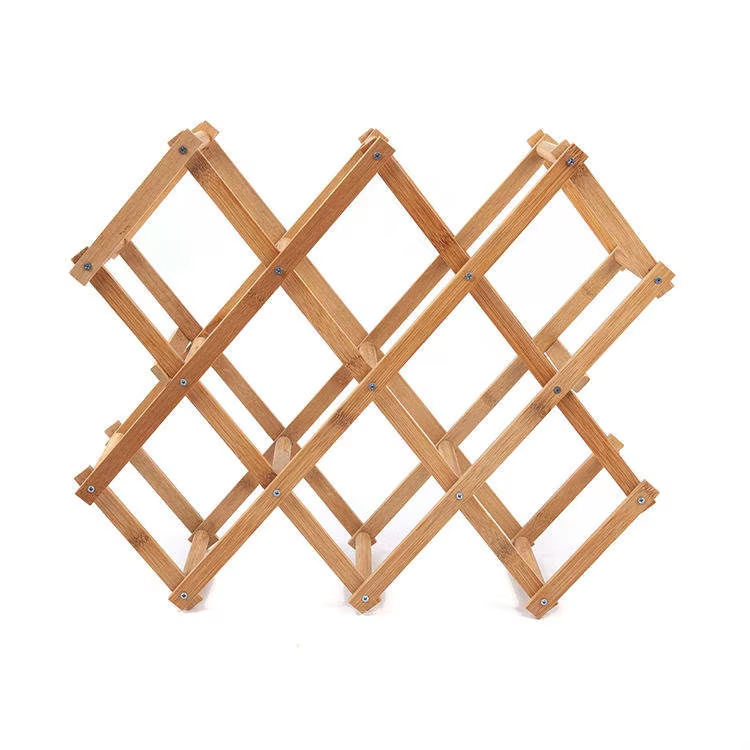
Evaluate Structural Integrity and Weight Capacity of Your Bamboo Rack
Bamboo Species, Density, and Joinery Techniques That Ensure Sturdiness
When looking for a sturdy bamboo rack, it all starts with knowing what kind of materials make the difference. Moso bamboo has become pretty much the gold standard for quality racks these days. It can hold up against steel when it comes to tensile strength, and actually holds about 1.5 times more pressure than oak does. The density matters too around 500 to 700 kg per cubic meter. Higher density stalks from mature trees (usually around five years old) just don't warp or bend as easily when something heavy sits on them for long periods. How the pieces fit together makes a big difference too. Mortise and tenon joints work better than regular screws because they stop any side to side movement and prevent joints from getting tired over time. Corners that have metal brackets built right in really boost stability, especially important places where there might be earthquakes or lots of foot traffic. And if we're talking about damp areas, thermally treated bamboo soaks up half as much moisture as regular bamboo, which means these racks last about 40 percent longer before showing signs of wear.
Interpreting Load Ratings: Real-World Weight Capacity for Everyday Use
Manufacturer weight ratings require real-world calibration. A “50 lbs per tier” label reflects ideal lab conditions—not uneven stacking, impact loads, or daily wear. Actual safe capacity depends on item type, distribution, and usage frequency:
| Load Type | Safe Capacity Per Tier | Key Risk Factors |
|---|---|---|
| Books (evenly spread) | 45–65 lbs | Uneven stacking concentrates stress on joints |
| Kitchenware | 30–50 lbs | Sudden impacts from heavy cookware accelerate wear |
| Decorative items | 70+ lbs | Low dynamic movement minimizes structural strain |
Good quality bamboo racks can usually hold around 50 to 75 pounds per linear foot. But when people put more than about 60% of what's listed on the label, the wear problems start showing up faster in those heavily used areas. Try this quick check: gently press down on different parts of the shelves. When the joints make noises or the shelves bend even a little bit, it's time to move some stuff around right away. These small signs mean there's stress building up in spots where damage could happen for good if ignored too long.
Select a Space-Saving Bamboo Rack Based on Your Layout and Storage Goals
Measuring Floor and Vertical Space to Fit Your Bamboo Rack Perfectly
Getting accurate measurements helps prevent headaches during installation and saves valuable space. Start by sketching out the floor area where the rack needs to go, making sure to mark any permanent features such as air vents, baseboard trim, or swinging doors that might get in the way. Next look at what's above head level too. The height of the ceiling really matters if someone wants multiple shelves stacked on top of each other. Wall thickness and where those wooden supports are located inside walls also plays a big role for things mounted against surfaces. Some folks report better results overall when they take time to measure both horizontal and vertical spaces first before picking out equipment. When working with smaller areas, it's smart practice to knock about 3 to 5 inches off all measurements just to make room for easy movement around the unit plus proper ventilation. Keep track of these numbers somewhere safe so they can be compared later with actual product specifications. This simple step can save plenty of trouble down the road with unwanted returns or awkward placement issues.
Folding, Wall-Mounted, and Multi-Tiered Bamboo Rack Designs Compared
Match design to function and footprint:
| Design Type | Best For | Space Efficiency | Capacity |
|---|---|---|---|
| Folding Bamboo Rack | Small rooms, renters, seasonal use | ????? (Collapses flat) | Light-to-moderate |
| Wall-Mounted Bamboo Rack | Permanent, floor-free installations | ???? (Zero floor footprint) | Moderate |
| Multi-Tiered Bamboo Rack | High-volume vertical storage | ??? (Maximizes air space) | Heavy |
Folding racks are all about being easy to move around and change as needed, which makes them great for places that don't need something permanent. Wall mounted storage takes up zero floor space and stays put much better when attached directly to wall studs. For small areas like closets, tight corners, or entry hallways where there's not much room on the ground but plenty of height, multi tiered storage works wonders. When picking what kind to get, think about how often things will be accessed. If stuff gets used every day, wall mounts or sturdy multi level units tend to work best. But if items only come out now and then or storage needs keep changing, go with something that can be rearranged or folded away instead.
Balance Long-Term Durability, Low Maintenance, and Functional Flexibility in Your Bamboo Rack
Finishes, Sealing, and Care Practices That Preserve Bamboo Rack Integrity
Bamboo’s natural resistance to insects and rot is amplified—not replaced—by proper finishing. Water-based polyurethane provides durable, non-toxic protection against spills and abrasion without compromising its renewable profile. For lasting integrity:
- Wipe weekly with a dry microfiber cloth to remove dust and prevent grit buildup
- Replenish surface oils quarterly using food-grade mineral or tung oil to maintain fiber elasticity
- Never soak or steam-clean; prolonged moisture exposure invites delamination and joint swelling
This minimal routine consistently extends service life beyond 15 years while preserving load-bearing performance. Independent testing confirms non-toxic sealants reduce chemical degradation risks by 60% compared to unsealed bamboo—without sacrificing breathability or biodegradability.
Adjustable Configurations vs. Fixed Frames: When Versatility Supports Stability
Modular bamboo racks deliver functional agility through repositionable shelves and expandable joints—ideal when storage needs shift seasonally or spatial constraints evolve. Fixed-frame designs, however, provide superior rigidity for consistent heavy loads (>50 lbs), especially in wall-mounted or floor-standing applications where stability outweighs reconfiguration. Choose adjustable systems when:
- Space demands frequent layout changes
- Stored items vary widely in size and weight
- Future room reconfigurations are anticipated
Both approaches retain structural integrity when engineered to align with bamboo’s inherent density (~500–700 kg/m³) and joined with mortise-and-tenon or bracket-reinforced methods. The right choice hinges not on durability trade-offs—but on matching mechanical flexibility to your actual usage pattern.
FAQ
What makes Moso bamboo ideal for racks?
Moso bamboo is known for its high tensile strength, which rivals steel. It's dense, resilient, and resistant to warping, making it an excellent choice for sturdy and durable racks.
How can I determine the weight capacity of my bamboo rack?
The weight capacity of bamboo racks varies. While labels provide an ideal load rating, real-world capacities depend on the type of items stored and how evenly the weight is distributed. It's advisable to test different storage conditions to avoid overloading.
What maintenance does a bamboo rack require to remain long-lasting?
Routine care includes wiping with a dry microfiber cloth, applying food-grade oils quarterly, and avoiding moisture exposure to prevent damage and maintain its structural integrity.
Are adjustable bamboo racks as sturdy as fixed ones?
Adjustable bamboo racks offer flexibility and are suitable for changing storage needs, but fixed racks typically provide superior stability for heavier loads. Choosing between them depends on usage needs and the importance of versatility versus stability.