
 EN
EN
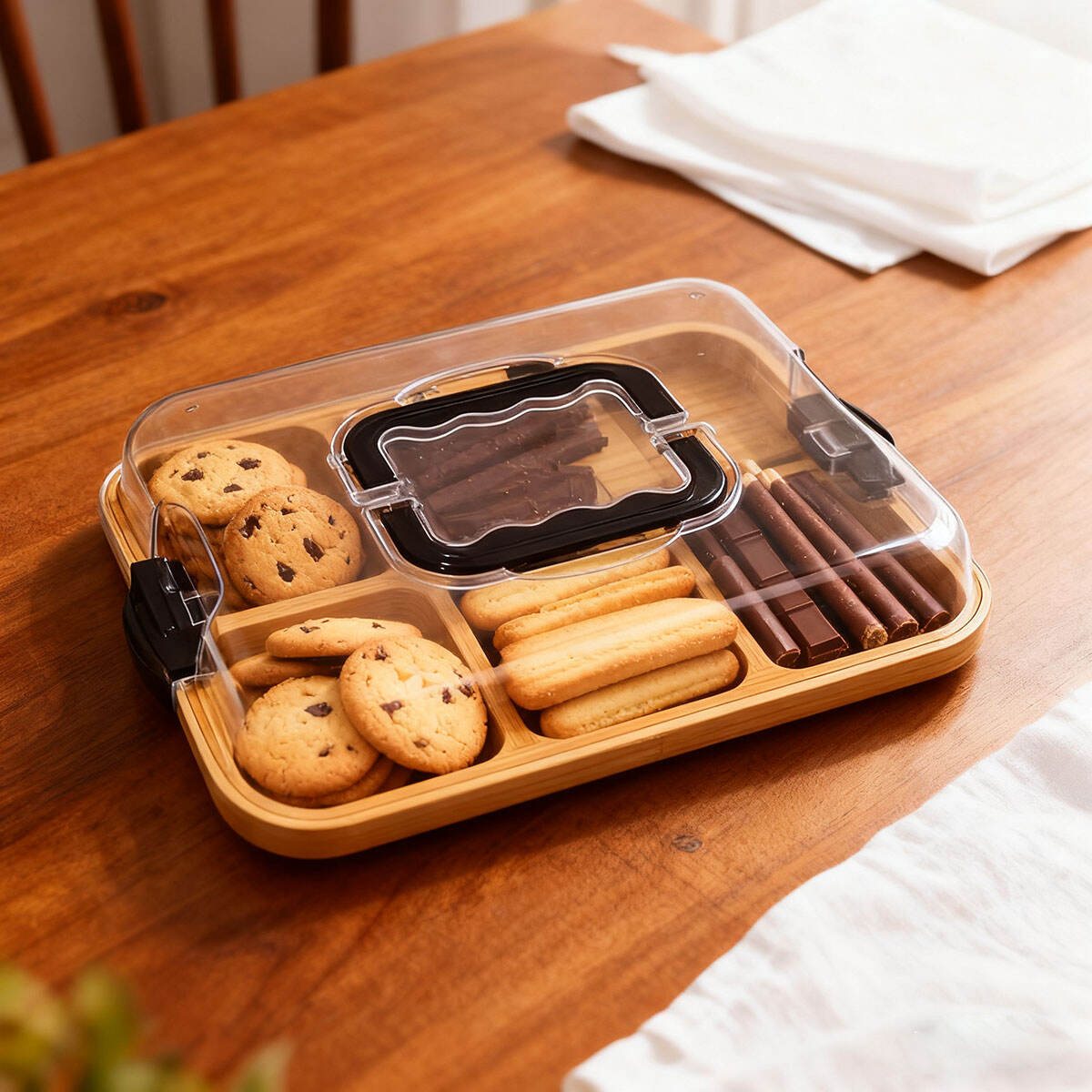
Sustainability: Why Bamboo Charcuterie Boards Are an Eco-Friendly Choice
Bamboo as a Renewable Resource with Rapid Growth Cycle
Bamboo grows incredibly fast sometimes hitting nearly 40 inches a day when conditions are right which is why many consider it among the most renewable materials we have access to. Hardwoods need around 30 to 50 years before they're ready for cutting while bamboo can be harvested within just three to five growing seasons after planting. Plus, once cut, new shoots grow back from the same roots without needing replanting. The latest Bamboo Sustainability Report from 2024 shows something interesting too mature bamboo groves actually generate about 35 percent more oxygen compared to similar areas covered by trees. This makes bamboo not only practical for manufacturers but also beneficial for our planet's health in ways that traditional wood sources simply cant match.
Environmental Benefits Compared to Hardwood and Plastic Alternatives
Bamboo charcuterie boards offer clear ecological advantages over traditional materials:
- 52% lower carbon emissions during manufacturing compared to plastic
- Zero deforestation impact, unlike oak or maple harvesting
- Biodegrade three times faster than synthetic alternatives
A 2024 comparative analysis of kitchenware materials found that bamboo retains 78% less bacterial load than plastic after repeated use, combining sustainability with superior food safety.
Reduced Carbon Footprint and Sustainable Harvesting Practices
Bamboo farms today work on a system where farmers selectively cut certain plants, which actually makes the whole grove grow denser over years. The numbers are pretty impressive too - fully grown bamboo fields can lock away about 12 tons of carbon dioxide each year, almost double what regular hardwood forests manage. Plus, these plants grow so well they don't need any chemical sprays at all. Many certified farms leave around a quarter of their older stalks standing, helping keep the soil healthy and giving animals somewhere to live. Some researchers even call this kind of farming "carbon negative" because it removes more greenhouse gases from the air than it produces during production.
Durability and Performance in Real-World Kitchen Use
Resistance to Cracking, Warping, and Daily Wear
Bamboo excels in durability, resisting cracks and warping better than hardwood or plastic. Its natural flexibility absorbs impact without splitting—a benefit confirmed by a 2023 materials study showing bamboo’s tensile strength exceeds oak by 30%. This resilience makes it ideal for frequent knife use and accidental drops.
Scientific Insights into Bamboo’s Structural Strength
The strength of bamboo comes from its dense, interlocking fiber structure. Research published in the Journal of Biomaterials Science (2024) shows bamboo can withstand compressive forces up to 230 MPa—comparable to mid-grade steel. This same structure limits moisture absorption, reducing warping risk by 65% compared to maple in humid environments.
Longevity in High-Use Home and Commercial Settings
Bamboo cutting boards last around 5 to 7 years in busy restaurant kitchens even when used every day, which makes them last about twice as long as those cheap plastic alternatives we all know too well. According to the Culinary Tools Report from 2024, most home cooks aren't seeing any wear and tear on their bamboo boards after three full years of normal kitchen activity. Looking at the bigger picture, a recent industry study in 2025 about eco-friendly kitchen stuff showed something interesting: when people choose longer lasting materials like bamboo, they end up replacing their cutting boards 40% less often. That means less garbage going into landfills and definitely saves money over time for anyone who cares about both sustainability and their wallet.
Natural Hygiene and Functional Advantages of Bamboo
Inherent Antimicrobial Properties for Safer Food Service
Bamboo contains bamboo-kun, a natural bioactive compound proven effective against microbial growth. A 2021 NIH study found it inhibits 99.2% of bacterial colonization, making bamboo inherently safer for handling raw meats, cheeses, and acidic foods without chemical treatments.
Superior Resistance to Stains, Odors, and Bacterial Retention
Bamboo has an incredibly dense surface that doesn't absorb liquids or hold onto odors nearly as much as plastic or even hardwood does. When we cut into plastic cutting boards, those knife marks tend to become little bacterial traps over time. Bamboo's compact grain structure just doesn't let stuff get stuck in there the same way. According to tests run by FoodSafe laboratories, bamboo surfaces actually harbor about 83 percent fewer bacteria compared to plastic boards after being used normally in kitchens for three full days. Plus, it stands up remarkably well against stubborn food stains like turmeric and red wine, which makes sense when you think about how many home cooks deal with these issues daily.
How Bamboo Outperforms Plastic and Composite Boards
| Feature | Bamboo | Plastic | Composite |
|---|---|---|---|
| Surface Integrity | Scratch-resistant | Deep grooves trap germs | Delaminates over time |
| Heat Tolerance | Stable up to 300°F | Warps above 150°F | Varies by resin mix |
| Environmental Impact | Biodegrades in 2-5 years | 450-year decomposition | Non-recyclable blend |
Unlike 78% of plastic boards treated with synthetic antimicrobials (Food Processing Journal 2023), bamboo requires no chemical coatings. With less than 7% water absorption—compared to 12% in hardwood—it remains stable and low-maintenance for both home and professional use.
Elegant Design and Versatile Serving Applications
Bamboo charcuterie boards combine organic beauty with modern functionality. Their natural grain patterns and matte finish add warmth to any setting, fitting seamlessly into rustic, farmhouse, or minimalist kitchens. Leading manufacturers craft them with clean edges and neutral tones that complement contemporary cabinetry while preserving earthy authenticity.
Aesthetic Appeal: Natural Finish and Modern Kitchen Integration
Bamboo doesn't need any fancy varnishes or chemical coatings to look good, which is why so many people love how it shows off its natural grain patterns. According to last year's Kitchen Design Trends study, around two thirds of folks shopping for kitchen stuff actually want to see the wood grain in their utensils and cutting boards. That explains why bamboo has become such a hit in those big open kitchens everyone seems to be building these days. Plus, since bamboo boards are pretty light weight, they're super convenient to grab and carry from the counter where someone was chopping veggies right over to the dinner table for serving.
From Charcuterie to Cheese and Appetizers: Stylish Presentation
The plain background of bamboo really makes those vibrant cheeses, cured meats, and fresh seasonal fruits stand out on display. What's great about it is that the surface doesn't absorb flavors, so there's no mixing between strong tasting foods like smoked salmon and pungent cheddar cheese. According to a survey from the catering industry last year, guests tend to interact 23 percent more with food presented on bamboo compared to regular plastic trays. Most caterers point to the upscale appearance and practical design as reasons why they prefer these trays for their events.
Dual Functionality as Prep Surface and Table Centerpiece
Dense bamboo can take a beating from knives without looking beat up, plus it stays nice enough to put right at the table. Marble and glass counters get scratched up all the time, but bamboo's grain hides those little marks pretty well, which is why so many restaurants go for it. The material dries fast after cleaning too, and just needs a good hand wash instead of harsh chemicals. That makes sense for busy kitchens where looks matter as much as function day in and day out.
Easy Maintenance and Consumer Trends Driving Popularity
Bamboo charcuterie boards meet rising demand for sustainable, low-maintenance kitchenware. Their simple upkeep aligns with the preferences of 76% of homeowners who prioritize easy-to-clean surfaces in kitchen tool selection (Forbes 2024).
Simple Care Tips to Extend the Life of Your Bamboo Board
Clean with mild soap and water, then dry immediately. Avoid soaking or harsh scrubbing. Regular oiling every few months helps preserve integrity and color. Due to its low moisture absorption, bamboo maintains performance and appearance longer than most natural materials.
Common Mistakes to Avoid in Bamboo Board Maintenance
Never place bamboo boards in the dishwasher or soak them in water—these actions cause 83% of warping incidents in organic boards (Yahoo Lifestyle 2025). Also avoid cutting highly acidic foods directly on the surface and store flat to prevent deformation.
Growing Market Demand for Sustainable, Stylish Kitchenware (2020–2024)
The eco-friendly kitchenware market has grown 29% annually since 2020, with bamboo products leading the surge. Consumers increasingly favor multi-functional items that serve equally well as prep zones and serving platters. In 2024, 62% of new kitchenware purchases were influenced by sustainability and design synergy—key strengths of bamboo charcuterie boards.
FAQ
How does bamboo grow back after being harvested?
Once bamboo is cut, new shoots grow back from the same roots without the need for replanting.
Why are bamboo charcuterie boards considered eco-friendly?
Bamboo boards cause zero deforestation impact, biodegrade faster than synthetics, and are produced with significantly lower carbon emissions.
How do bamboo's antimicrobial properties make it safer for food?
Bamboo contains a natural compound, bamboo-kun, which inhibits bacterial growth, making it safer for raw meats and cheeses.
What is the recommended cleaning method for bamboo boards?
Wash with mild soap and water, dry immediately, and periodically oil them to maintain integrity.