
 EN
EN
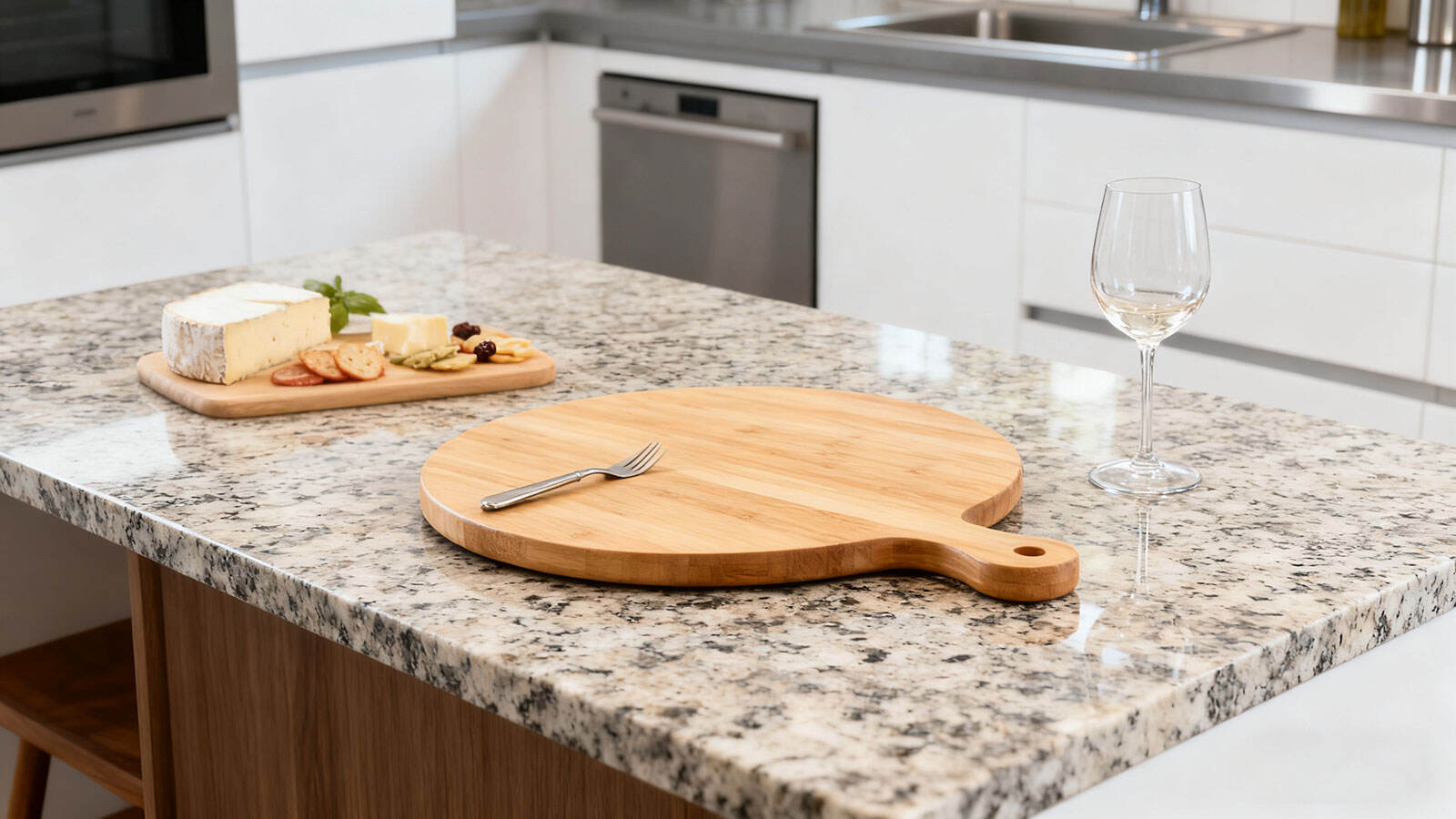
Why Bamboo Cutting Boards Are a Sustainable Kitchen Choice
The Eco-Friendly Advantages of Bamboo as a Renewable Resource
The fast growing nature of bamboo really positions it as something special when it comes to sustainability. Take hardwood trees for instance they need anywhere from 30 to 50 years before they're even ready to be harvested. Bamboo on the other hand can be cut down after only 3 to 5 years of growth, and during that time it actually produces around 35 percent more oxygen compared to regular tree plantations. What's even better is that once bamboo gets cut, its roots stay alive underground and start growing again pretty quickly. This means there's no real worry about deforestation issues like we see with other materials. When looking at bamboo cutting boards specifically, these products make smart use of this amazing renewable material. They sidestep all the problems associated with making plastic items which consume a huge amount of our world's oil supply, not to mention the environmental damage caused by cutting down forests for traditional wooden boards.
Bamboo vs. Plastic and Wood: How Bamboo Cutting Boards Outperform Common Alternatives
A 2023 kitchenware lifecycle analysis revealed:
| Material | Biodegradability | Carbon Footprint (kg CO2/unit) | Bacterial Resistance |
|---|---|---|---|
| Bamboo | 4–6 years | 0.8 | 99% reduction |
| Plastic | 100–1,000 years | 3.2 | 62% reduction |
| Hardwood | 10–20 years | 1.5 | 88% reduction |
Bamboo’s natural silica content provides inherent antimicrobial protection, outperforming plastic’s porous texture that traps 14x more bacteria.
Growing Consumer Demand for Sustainable Kitchenware and the Rise of Bamboo
The global bamboo kitchenware market grew 21% annually since 2020, driven by eco-conscious shoppers prioritizing products aligning with circular economy principles. Over 67% of surveyed chefs now prefer bamboo cutting boards over plastic alternatives, citing durability and environmental impact as key decision factors.
Durability and Knife-Friendly Performance of Bamboo Cutting Boards
How Bamboo’s Hardness Ensures Long-Term Durability in Daily Kitchen Use
The hardness of bamboo is actually pretty similar to maple wood, which means cutting boards made from it can handle all that daily chopping without getting those annoying deep gouges. Soft plastic boards tend to warp when exposed to heat, but bamboo has these interlocking fibers that make the surface really dense. This density helps resist scratches and keeps moisture from damaging the board over time. Some recent research shows just how strong bamboo really is. Its tensile strength comes out around 28,000 pounds per square inch, way higher than oak at only 9,000 PSI. That kind of strength makes bamboo boards last much longer in busy kitchens where they get used constantly. Most home cooks find that their bamboo cutting boards stay flat and functional for years even with regular slicing and dicing activity.
Preserving Knife Sharpness: Why Bamboo Is Gentler Than Plastic or Glass
The density of bamboo makes it much kinder to knife edges compared to those rough glass cutting boards or flimsy plastic ones that crack so easily. Glass boards tend to dull knives pretty quickly, sometimes within just a few weeks of regular use. Bamboo has this forgiving quality that actually helps preserve the sharpness of blades. Some recent testing showed that knives stay sharper on bamboo for about 40% longer than other materials. Why does this happen? Well, bamboo is made up of fibers that soak up the impact when cutting, instead of bouncing back at the blade like other surfaces do. For anyone who cares about keeping their knives sharp for years instead of months, this matters a lot in daily cooking situations.
End-Grain vs. Edge-Grain Bamboo: Which Offers Better Protection and Longevity?
End-grain bamboo boards feature vertically aligned fibers that self-heal after knife contact, reducing visible marks over time. Edge-grain designs, while more affordable, have horizontally layered fibers prone to surface splitting.
| Feature | End-Grain Bamboo | Edge-Grain Bamboo |
|---|---|---|
| Knife Impact | Fibers flex and rebound | Fibers split slightly |
| Maintenance | Requires monthly oiling | Requires biweekly oiling |
| Lifespan | 8–10 years (with care) | 5–7 years (with care) |
End-grain’s superior shock absorption makes it ideal for heavy-duty tasks, though edge-grain remains practical for moderate use.
Best Uses for Bamboo Cutting Boards in Home Food Preparation
Ideal for Vegetables, Fruits, and Cooked Meats: Matching Tasks to Bamboo’s Strengths
Bamboo cutting boards excel at handling produce and cooked proteins due to their medium-density surface. Their natural hardness (13%-18% denser than maple wood) provides enough firmness for slicing without dulling knives, making them ideal for:
- Chopping fibrous vegetables like carrots and celery
- Slicing soft fruits without bruising
- Carving cooked meats like chicken or pork
The tight grain structure minimizes juice absorption better than plastic, reducing staining from berries or beets. Research from the University of Wisconsin’s Food Research Institute (2023) shows bamboo’s low porosity helps prevent lingering food odors—a key advantage when alternating between ingredients.
Hygiene Considerations: Why Bamboo Resists Bacteria Better Than Plastic
The natural stuff in bamboo called bamboo kun stops bacteria from growing about a third better than regular plastic surfaces, as found in some lab tests from last year. Plastic gets those deep cuts from knives where bad germs like Salmonella can hide, but bamboo tends to stay smoother as it kind of heals itself after being cut. When preparing raw meat, research indicates that washing with hot water and some gentle soap gets rid of most bacteria really fast on bamboo cutting boards. Studies suggest it takes around 15 seconds on bamboo compared to over 30 seconds needed for plastic surfaces. So bamboo boards work pretty well for people who handle raw meat now and then, provided they take care of them properly. But folks who deal with raw meat all the time might still want to stick with separate plastic boards just to be safe.
Choosing the Right Size, Design, and Quality for Your Kitchen
Small, medium, or large? Selecting the best bamboo cutting board size by kitchen space and use
When picking out a bamboo cutting board, think about how much space you actually have in your kitchen and what kind of cooking you do most often. The little ones, around 12 by 8 inches, work great if your counters are tight, especially in city apartments where every inch counts. For folks who cook bigger meals or entertain guests regularly, going with something closer to 18 by 12 inches makes life easier when prepping multiple dishes at once. Most home cooks find that boards measuring about 15 by 10 inches hit just the right spot between being useful enough without taking up too much drawer space. Thickness matters too. Boards that are at least an inch thick tend to hold their shape much better over time compared to the thinner versions, which can start to warp after months of chopping vegetables and meats.
Key design features: Juice grooves, handles, and non-slip edges in bamboo boards
Prioritize functional enhancements that improve safety and convenience:
- Juice grooves: Capture liquids from meats and fruits
- Integrated handles: Enable secure gripping when moving boards
- Non-slip silicone edges: Prevent sliding during chopping
These features reduce cross-contamination risks and stabilize cutting surfaces.
How to identify high-quality bamboo construction and avoid low-grade adhesives
When checking out bamboo cutting boards, look at the edges where the grain runs vertically and feels really compacted together. That's usually a good sign of solid construction. Stay away from boards showing horizontal grain patterns or those with obvious glue lines running through them since this often means the adhesive wasn't strong enough and might split apart over time. The best quality boards are made with binders that don't contain formaldehyde, something worth asking about when shopping. Their edges tend to be nicely rounded and smoothly sanded so they won't leave anyone with splinters during regular use. A quick test is pressing a fingernail against different spots on the board. Real high density bamboo just won't show any dents no matter how hard one presses, unlike cheaper alternatives that give way pretty easily under pressure.
Maintaining Your Bamboo Cutting Board for Long-Term Use
Daily care essentials: Cleaning and drying your bamboo cutting board properly
Wash bamboo cutting boards after every time they're used with some gentle soap and warm water, best done with a soft sponge. Dry them right away with a towel and prop them up vertically so they can fully air dry. Standing upright helps prevent the wood from soaking up too much moisture which might make it warp over time. Don't ever put bamboo cutting boards into water or allow food juices to sit on the surface for long periods. These materials react badly when wet for too long and will eventually start to break down.
Oiling routines and moisture control to prevent cracking and warping
Treat your board with food-grade mineral oil every 3–4 weeks, applying a thin layer across the grain. This routine replenishes natural oils lost during cleaning, preventing cracks and splinters. Store boards in dry areas away from heat sources like ovens or dishwashers to minimize expansion/contraction cycles.
Dishwasher safety myth: Why hand-washing is critical for bamboo longevity
Despite being labeled "dishwasher safe" by some manufacturers, bamboo's natural fibers break down under repeated high-heat cycles. Research shows hand-washed bamboo boards maintain structural integrity 2.3x longer than machine-washed counterparts in controlled durability tests. Always prioritize gentle hand-washing to preserve your board's flat surface and prevent edge warping.
FAQ Section
What makes bamboo cutting boards sustainable?
Bamboo cutting boards are sustainable due to bamboo's rapid growth rate; it matures in 3-5 years and produces more oxygen than traditional tree plantations.
How do bamboo cutting boards compare to plastic ones?
Bamboo cutting boards are more biodegradable, have a lower carbon footprint, and offer better bacterial resistance than plastic boards.
Are bamboo cutting boards gentle on knives?
Yes, bamboo boards are gentle on knives and help maintain their sharpness longer compared to glass or plastic boards.
How should I maintain my bamboo cutting board?
Regularly clean with gentle soap and water, dry immediately, and apply food-grade mineral oil every 3-4 weeks to prevent cracking.
Can bamboo cutting boards be washed in dishwashers?
No, despite some claims, dishwashers can damage bamboo fibers. Hand-washing is recommended to maintain their durability.
Table of Contents
- Why Bamboo Cutting Boards Are a Sustainable Kitchen Choice
- Durability and Knife-Friendly Performance of Bamboo Cutting Boards
- Best Uses for Bamboo Cutting Boards in Home Food Preparation
- Choosing the Right Size, Design, and Quality for Your Kitchen
- Maintaining Your Bamboo Cutting Board for Long-Term Use
- FAQ Section