
 EN
EN
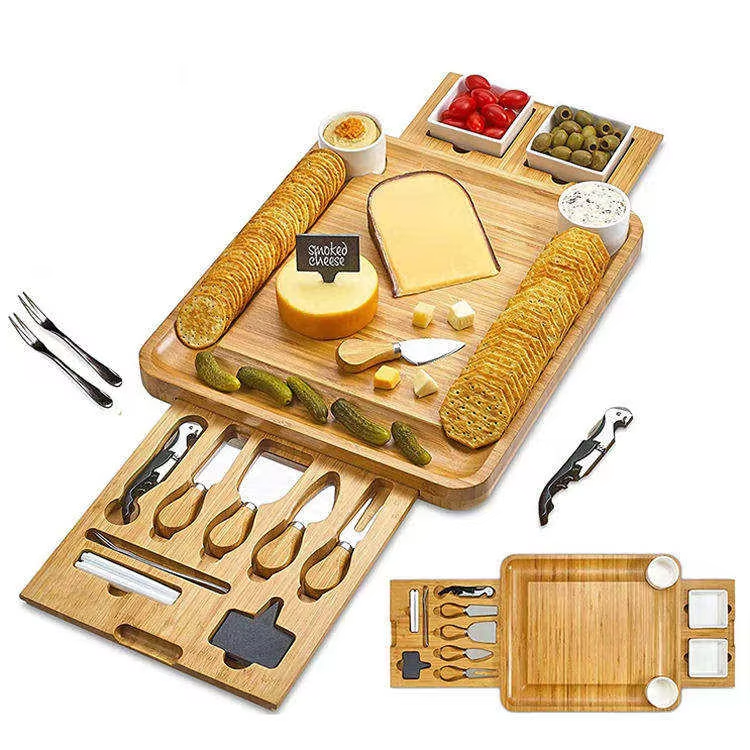
Bamboo Charcuterie Board as a Sustainable Choice
Bamboo as a Renewable and Rapidly Regenerating Resource
Bamboo grows incredibly fast compared to most other plants on our planet. Some species can reach full maturity within three to five years, while traditional hardwoods often need several decades to develop properly. The way bamboo grows also helps keep the earth healthy beneath it. After cutting down bamboo stalks, the underground root network keeps going strong without needing replanting, which actually helps hold soil together better and stops erosion problems. Most bamboo farms don't rely on chemical pesticides or artificial fertilizers either, so there's less pollution running off into nearby water sources. For people looking for greener options in their kitchenware collection, bamboo charcuterie boards offer something special. They're not only quick to replenish but also fit right into current trends where consumers want products that come from forests managed responsibly rather than contributing to environmental damage.
Environmental Impact: Bamboo vs. Plastic and Hardwood Boards
Bamboo offers something plastic just can't match when it comes to breaking down naturally without leaving behind those pesky microplastics we hear so much about these days. When looking at alternatives to traditional woods such as oak, bamboo stands out because it takes way fewer resources to grow. Some studies suggest around thirty times fewer actually, which makes sense since cutting down whole forests for timber isn't exactly eco friendly either. What's interesting too is that bamboo groves seem to pump out oxygen at about 35 percent higher rates compared to regular trees standing side by side. So folks who opt for bamboo products aren't just making a smart choice for their own stuff but they're also doing their part in keeping landfills from overflowing while helping protect all sorts of plant and animal life across the planet.
Low Carbon Footprint in Production and Distribution
Processing bamboo produces about 62 percent fewer carbon emissions compared to making plastic products, which is why many see it as a smart option for our planet's health. The fact that bamboo is so light makes shipping it around much cleaner too something that matters a lot since moving stuff across the globe creates tons of pollution. If companies set up their mills closer to where they sell their products, this already good situation gets even better. What makes bamboo really stand out though is how it actually grabs carbon dioxide from the air while growing and continues doing so until it eventually gets thrown away. This means bamboo isn't just less bad than alternatives but actually helps reduce overall carbon levels when used properly.
Superior Durability and Longevity of Bamboo Charcuterie Boards
Resistance to Warping, Cracking, and Moisture Damage
The tight fibers in bamboo give it real staying power against those pesky problems that plague regular wood boards like warping, cracking, and getting damaged by moisture. Because bamboo doesn't soak up water so easily, there's less chance of it swelling or becoming a breeding ground for bacteria. Some research even suggests that bamboo cutting boards have about a third less bacteria compared to oak ones when used for raw meat prep. To keep things looking good and lasting longer, most folks find that washing by hand with gentle soap works best. A little mineral oil now and then helps preserve the surface too, keeping it smooth and functional for years instead of months.
Comparative Strength: Bamboo vs. Wood and Plastic Cutting Surfaces
Bamboo outperforms both wood and plastic in durability and food safety:
- Tensile strength: Bamboo reaches 28,000 psi, exceeding maple (15,800 psi) and oak (9,900 psi)
- Plastic drawbacks: Polyethylene boards develop deep knife grooves that harbor up to 7 times more bacteria than bamboo, according to a 2023 Journal of Environmental Health study
- Wood limitations: Solid wood requires frequent resealing to prevent splitting, while bamboo’s laminated construction ensures dimensional stability
This high strength-to-weight ratio allows bamboo charcuterie boards to endure years of daily use without degradation, maintaining both function and appearance.
Multi-Functional Use in Kitchen and Presentation Settings
From Food Prep to Serving: The Dual Role of Bamboo Charcuterie Boards
Bamboo charcuterie boards work great as both a sturdy cutting board and an attractive plate for serving snacks. The surface holds up well against knives during prep work, plus it has those natural antibacterial qualities that keep things safer when handling meat and cheese. Plastic boards tend to wear down knife edges after repeated use, but bamboo actually helps maintain sharper blades longer. When moving these boards directly from the counter to the dining table, all that careful arrangement stays intact without getting messed up, which means less mess to clean later on. Plus, using one board for multiple purposes cuts back on washing dishes and reduces reliance on single-use plates, making them a smart choice for anyone trying to be more eco-friendly in their kitchen routine.
Ideal for Entertaining, Gifting, and Everyday Versatility
Bamboo boards offer practical value across multiple lifestyle needs:
- Entertainment: Their organic texture and warm tone create visually appealing centerpieces for cheese spreads, appetizers, and charcuterie
- Thoughtful Gifting: Combining eco-conscious design with premium craftsmanship, they make memorable housewarming or holiday gifts
- Daily Convenience: Serve as breakfast trays, snack boards, or heat-resistant trivets for hot dishes
Compact and easy to store, each board features unique grain patterns that add decorative charm. This blend of utility and style makes bamboo a go-to choice for modern, space-conscious households.
Aesthetic Appeal and Natural Sanitation Benefits
Elegant Design for Stylish Presentation and Gifting
Bamboo charcuterie boards really take the dining experience to another level thanks to those smooth finishes, warm honey colors, and unique grain patterns that no two pieces share exactly. Crafted by skilled makers, these boards come in simple yet elegant designs that work just as good when slicing cheese as they do when displaying appetizers on the table. People love giving bamboo boards as gifts because they look great while still being super practical for everyday kitchen use. Compared to boring old plastic boards that all look the same, every bamboo board tells its own story through natural markings and textures. Plus, despite looking delicate, these wooden boards hold up surprisingly well over time without losing their charm or functionality.
Inherent Antimicrobial Properties for Safer Food Handling
There's something special about bamboo that makes it stand out in the kitchen world. It naturally produces a substance known as bamboo kun, which stops bacteria from growing and keeps food safer overall. Studies have shown that cutting boards made from bamboo actually cut down on germs by around 33% compared to regular hardwood options when handling raw meat or fish. The best part? This antibacterial property doesn't fade away over time. No need for harsh chemicals either since it stays effective even after countless knife cuts through years of daily use. Plus, bamboo just so happens to absorb very little moisture and has a tightly packed grain structure, making it both clean and durable for anyone who cares about keeping their kitchen environment healthy.
FAQ Section
Are bamboo charcuterie boards eco-friendly?
Yes, bamboo charcuterie boards are an eco-friendly choice as bamboo regrows rapidly and doesn't require replanting, reducing environmental impact.
Is bamboo more sustainable than wood or plastic?
Bamboo is more sustainable as it requires fewer resources to grow and transports efficiently due to its lightweight nature.
How durable are bamboo charcuterie boards compared to other materials?
Bamboo boards are highly durable, offering superior resistance to warping, cracking, and moisture damage.
Do bamboo boards possess antibacterial properties?
Yes, bamboo boards naturally contain bamboo kun, which has antimicrobial properties that help maintain safer food handling.