
 EN
EN
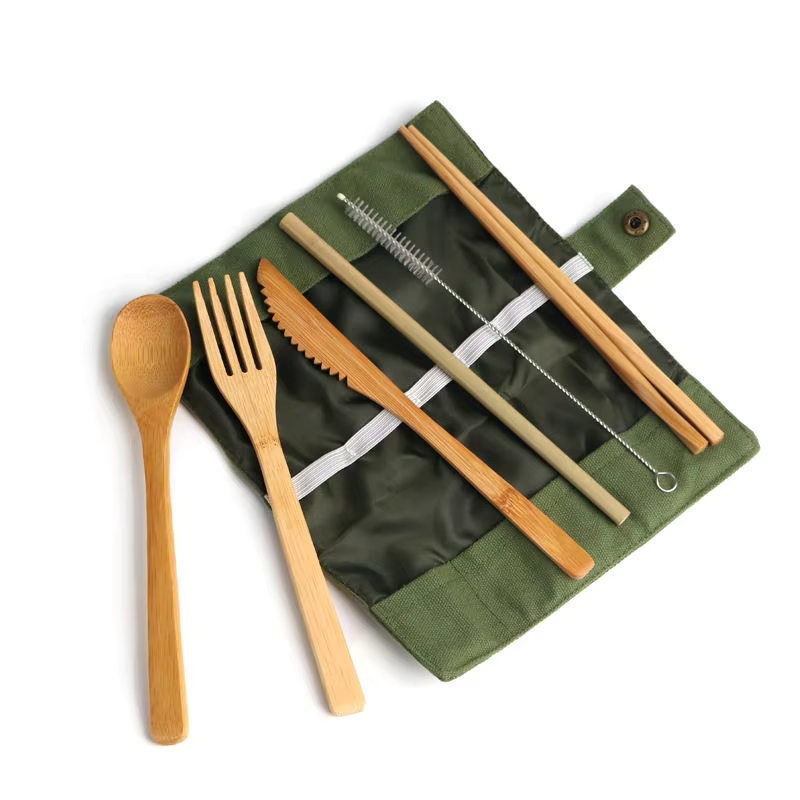
Understanding Bamboo Fork Use Cases: Daily Reusability vs. Event-Grade Durability
Home Kitchens: Prioritizing Smooth Finish, Ergonomic Shape, and Dishwasher-Safe Construction
When picking out bamboo forks for everyday kitchen use, comfort matters just as much as getting something that actually works well. Look for ones where they've done proper sanding so there aren't any annoying splinters sticking out, plus handles shaped in a way that doesn't leave your hands sore after eating dinner. Important thing to check? Whether they can go through the dishwasher without falling apart. Heat treated bamboo processed around 140 degrees Celsius holds up better against bending compared to regular untreated stuff. Most people find that if a fork still looks good after going through about fifty washes in the dishwasher, then chances are it was properly saturated with resin during manufacturing, which means it should last longer overall.
Catering & Events: Demanding Impact Resistance, Thermal Stability, and Consistent Aesthetic Integrity
Bamboo forks used at big events need to handle much tougher situations than regular ones. They have to stand up to tough foods without cracking, keep their shape even when left out in warm buffet areas where temperatures can hit over 60 degrees Celsius, and look good across all those tables set for hundreds of guests. The secret? Many event grade models use cross grain building methods and have thicker tines, usually around 3mm or more thick, which makes them about three times stronger under pressure compared to normal designs. When tested for heat resistance, forks that deform less than half a millimeter at 70 degrees Celsius are considered safe from breaking during service. At major gatherings, matching colors and similar wood grain patterns aren't just about looking nice either. These features actually show that manufacturers followed strict quality checks throughout production, ensuring both how they look and how well they perform consistently.
Evaluating Genuine Bamboo Fork Material: Spotting Pure Bamboo vs. Blends
Tactile & Visual Indicators of 100% Bamboo: Grain Pattern, Density, and Natural Warmth
Real bamboo forks can be identified by certain physical characteristics that just stand out. Check for those long, straight grain lines going all along the handle - real bamboo keeps this kind of pattern while fake ones often don't. When held, pure bamboo has a weighty feel to it, pretty dense actually around 0.65 to 0.85 grams per cubic centimeter, so they won't feel light or empty in the hand. Another thing worth noting is how bamboo handles temperature changes. It warms up gradually when touched, giving off that nice natural heat sensation compared to plastic which gets cold right away. If a fork looks too evenly colored throughout, that might mean it's been dyed or coated somehow. Genuine bamboo naturally varies in color across different parts of the wood.
Common Blends to Avoid: PLA-Coated, Bamboo-Plastic Composites, and Fiber-Reinforced Imitations
Certain blends compromise both performance and sustainability. Avoid:
- PLA-coated forks: Polylactic acid layers create glossy surfaces but inhibit full biodegradability
- Bamboo-plastic composites: Often contain 40–50% polypropylene, lowering heat resistance and compostability
- Fiber-reinforced imitations: Synthetic additives like glass fiber produce unnatural rigidity and increase fracture risk
These blends often feel unnaturally smooth or plastic-like, lack visible grain, and react abruptly to temperature changes. Unlike pure bamboo—which fully decomposes within 90 days under proper industrial composting conditions—blends persist for years and may shed microplastics. Prioritize material integrity over “bamboo-washed” marketing claims.
Testing Bamboo Fork Performance with Temperature Extremes
Heat Resistance Reality Check: Why Most Bamboo Forks Warp or Delaminate Above 60°C
When bamboo forks get too hot, they start to bend or fall apart around 60°C (about 140°F). The fibers expand and the glue between layers breaks down, which happens more often with those fancy multi-layered designs. Why does this happen? Well, bamboo naturally absorbs water like a sponge. When heated, that trapped moisture turns into steam inside the wood, creating pressure that pushes against the structure. We usually see this as fork tines that curve outwards, or worse, when the different layers actually come apart completely. Most folks don't realize their regular dishwasher might be damaging these eco-friendly utensils if it gets hotter than 60°C. Hot soups and stews sitting on them for too long can do similar damage over time. Want your bamboo cutlery to last longer? Simple solution: wash by hand instead of tossing in the machine. This small change makes a big difference in how long they stay usable.
Cold Exposure Risks: Preventing Brittleness in Refrigerated or Frozen Food Service
Sub-zero temperatures make bamboo forks brittle and prone to snapping. Freezing causes internal moisture to expand, creating micro-fractures that weaken structural integrity. To mitigate risk:
- Limit freezer exposure to under 2 hours
- Avoid rapid temperature shifts (e.g., straight from freezer to hot food)
- Store in breathable containers to minimize condensation buildup
For refrigerated service, select forks with tines ≥3mm thick—they resist brittleness more effectively. Never use frozen bamboo forks with hard, dense foods like frozen desserts; allow gradual thawing to room temperature first.
Verifying Food Safety and Regulatory Compliance for Bamboo Fork
Look for bamboo forks that have the international glass and fork symbol when they'll be used with food items. This mark shows the product meets worldwide standards for limiting harmful substances that might migrate into food. For folks in America, check if the manufacturer follows FDA regulations found in 21 CFR Parts 170 through 189. These rules basically ensure the forks are safe chemically during normal usage. If sending utensils to Europe though, the requirements get tougher. European Union markets need LFGB certification instead, which sets even higher bars for controlling heavy metals in materials. Good companies usually include something called a Declaration of Conformity with their products. This document explains exactly how their bamboo eating tools meet all those safety standards across different regions.
| Verification Element | Critical Content |
|---|---|
| Material Composition | 100% bamboo or approved binding agents |
| Migration Test Results | Heavy metals and formaldehyde below regulatory limits |
| Production Certifications | Valid FDA/LFGB test dates and lab accreditation |
Demand third-party lab reports verifying BPA-free status and thermal stability—particularly important with acidic foods or oils, where leaching risk increases by 37% (Food Safety Journal, 2023). Avoid products lacking batch-traceable documentation; non-compliant composites may contain undisclosed melamine resins or plasticizers exceeding safety thresholds.
Assessing True Sustainability: Biodegradability Claims vs. Certified End-of-Life Behavior
Decoding Certifications: ASTM D6400 (US) and EN 13432 (EU) for Industrial Composting
Generic “biodegradable” labels are meaningless without verification. True end-of-life sustainability requires industrial composting certification:
- ASTM D6400 (U.S.): Requires ≥90% disintegration within 84 days in commercial facilities, with zero ecotoxicity in resulting compost
- EN 13432 (EU): Adds strict heavy metal limits and mandates full disintegration within 12 weeks
Uncertified forks—especially bamboo-plastic blends—often fragment into microplastics rather than fully decomposing. Only certified products guarantee:
- Complete conversion to water, CO₂, and biomass
- Safe soil amendment without contaminants
- Compatibility with municipal and commercial composting infrastructure
Third-party validation—such as BPI (U.S.) or TÜV Austria (EU)—provides auditable proof against greenwashing. Choosing certified forks closes the loop: your utensil nourishes soil, not landfills.
FAQ
What should I look for when choosing bamboo forks for everyday use?
Prioritize bamboo forks that have a smooth finish, ergonomic shape, and are dishwasher-safe. Heat-treated bamboo holds up better and tends to last longer after repeated washes.
Are bamboo forks suitable for catering and large events?
Yes, event-grade bamboo forks are designed for tougher conditions with impact resistance and thermal stability. Look for forks with thicker tines for durability.
How can I identify genuine bamboo forks?
Genuine bamboo forks have distinct grain patterns, density, and natural warmth. Avoid ones that appear too uniformly colored, which might indicate artificial coating or dye.
What are the risks associated with bamboo forks at temperature extremes?
Extreme heat can cause bamboo forks to warp or delaminate, while freezing can make them brittle. Limit exposure to temperature extremes and avoid sudden shifts.
How can I verify the safety and compliance of bamboo forks?
Check for international safety symbols and certifications like FDA and LFGB to ensure compliance with food safety regulations.
What certifications should I look for in sustainable bamboo forks?
Look for ASTM D6400 and EN 13432 certifications, which verify that the forks can be composted and will not fragment into microplastics.
Table of Contents
- Understanding Bamboo Fork Use Cases: Daily Reusability vs. Event-Grade Durability
- Evaluating Genuine Bamboo Fork Material: Spotting Pure Bamboo vs. Blends
- Testing Bamboo Fork Performance with Temperature Extremes
- Verifying Food Safety and Regulatory Compliance for Bamboo Fork
-
Assessing True Sustainability: Biodegradability Claims vs. Certified End-of-Life Behavior
- Decoding Certifications: ASTM D6400 (US) and EN 13432 (EU) for Industrial Composting
- FAQ
- What should I look for when choosing bamboo forks for everyday use?
- Are bamboo forks suitable for catering and large events?
- How can I identify genuine bamboo forks?
- What are the risks associated with bamboo forks at temperature extremes?
- How can I verify the safety and compliance of bamboo forks?
- What certifications should I look for in sustainable bamboo forks?