
 EN
EN
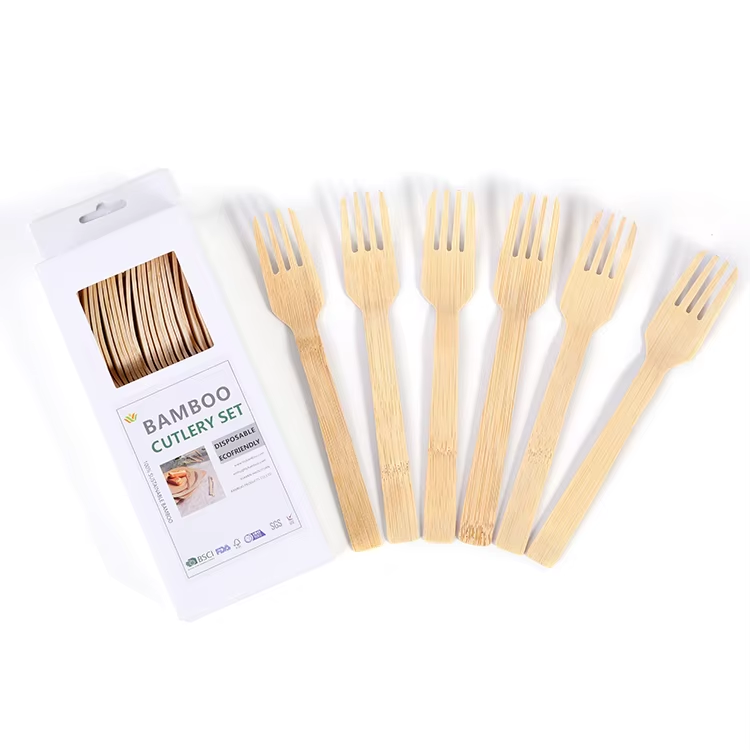
Renewability and Resource Efficiency of Disposable Bamboo Cutlery
Disposable bamboo cutlery stands out for its exceptional environmental performance—driven by rapid renewability, minimal resource inputs, and high-yield land use—making it a far more sustainable alternative to conventional plastic.
Bamboo’s Rapid Growth Cycle and Low Input Requirements
Bamboo grows up in only 3 to 5 years, which makes it around 10 times quicker than regular hardwood trees. What's really cool is that after cutting, it comes back naturally through those underground rhizomes, so nobody has to plant new ones again. Being a grass rather than an actual tree, bamboo does great with just rainwater. No need for fancy fertilizers or extra watering either. Plus, it fights off bugs without needing any chemical sprays. The thick roots hold everything together down below, keeping soil from washing away during heavy rains. All these things mean farmers can harvest bamboo every year while spending almost nothing on farming stuff. That's why bamboo stands out as such a smart choice when making disposable cutlery and other items we throw away after one use.
Water, Land, and Energy Use Compared to Conventional Plastic Production
Making plastic cutlery takes about 22 gallons of water for every single pound produced when we look at all the steps from oil drilling to refining. Bamboo just needs rainwater to grow naturally. When it comes to land usage, there's another big difference worth mentioning. Bamboo fields can produce around twenty times more usable material per acre compared to regular forests where trees take much longer to mature. The energy needed to turn bamboo into actual eating tools drops by roughly seventy percent compared to what goes into manufacturing plastic stuff. Plastic making involves these complicated processes like breaking down crude oil and turning it into polymers, which eats up a lot more power overall.
| Resource | Bamboo Cutlery | Plastic Cutlery |
|---|---|---|
| Water Use | Rainfall only | 22+ gallons per pound |
| Land Yield | High density per acre | Low efficiency |
| Energy | Low-processing energy | Fossil fuel dependent |
Biodegradability and Real-World Compostability of Disposable Bamboo Cutlery
Decomposition Timeline: Industrial vs. Home Composting Conditions
Bamboo cutlery decomposes much quicker than regular plastic stuff. Under proper industrial composting conditions around 55-60 degrees Celsius with just the right amount of moisture and lots of microbes working away, it can break down in about 4 to 6 months. For home composters who manage their piles well, we're looking at roughly 6 to 12 months instead. But if someone lives somewhere cool or doesn't maintain their compost pile properly, especially in places with mild or dry weather, decomposition might take as long as 18 months. Plastic utensils are another story entirely. They stick around for hundreds of years basically forever. Take PET forks for instance they need over 450 years just to start breaking apart according to the U.S. EPA from 2022. The reason bamboo works better lies in its cellulose structure which allows microbes to digest it. However how fast this happens really depends on three main things:
- Thickness: Thicker handles (3–5 mm) degrade slower than thinner tines
- Coatings: Plant-based waxes add 30–60 days to breakdown time versus untreated bamboo
- Climate: Tropical conditions can halve decomposition time compared to temperate zones
Certifications (e.g., TÜV OK Compost HOME) and Common Pitfalls in Disposal
Certifications like TÜV Austria’s OK Compost HOME provide independent verification that bamboo cutlery fully disintegrates and biodegrades under ambient, non-industrial composting conditions. To earn this label, products must pass 12-month tests for disintegration, ecotoxicity, and conversion—ensuring >90% of material becomes CO₂, water, and biomass without harmful residues.
Yet real-world performance hinges on proper disposal. Common pitfalls include:
| Pitfall | Consequence | Prevention Strategy |
|---|---|---|
| Landfill disposal | Anaerobic decay generates methane | Clear “COMPOST ONLY” labeling on packaging |
| Mixed-material designs | Non-biodegradable adhesives or laminates contaminate compost streams | Industry-wide shift toward mono-material construction |
| Limited access to commercial composting | Only 32% of U.S. municipalities offer curbside compost collection | Expansion of retailer take-back programs and municipal infrastructure |
Without access to industrial facilities, consumers often misplace bamboo cutlery in recycling bins—where its fibrous density can jam sorting machinery. Targeted education on home composting best practices remains essential to unlock bamboo’s full end-of-life benefits.
Carbon Footprint Advantage: From Harvest to End-of-Life
Bamboo cutlery that gets thrown away after one use actually leaves behind much less carbon pollution throughout its whole life cycle compared to other materials. According to the Food and Agriculture Organization from 2023, bamboo plants soak up between 30 to 50 percent more carbon dioxide per hectare than regular hardwood forests. That means growing bamboo for these products actually helps reduce overall carbon levels in the atmosphere. When it comes to making the utensils themselves, the process creates far fewer emissions too. Bamboo utensils produce around 0.8 to 1.2 kilograms of CO2 equivalent for every kilogram produced. That's about 70% less than what happens when we manufacture plastic cutlery which typically ranges from 2 to 3 kilograms of emissions per kilogram. Plus, transporting bamboo products doesn't take much energy because they're so lightweight. And good news is that more bamboo is now being grown closer to where people live in places like North America, Europe, and parts of Southeast Asia, cutting down on shipping distances and costs.
At end-of-life, certified compostable bamboo cutlery completes the carbon cycle efficiently—releasing only ~0.1 kg CO₂-equivalent during decomposition, a 90% reduction compared to emissions from plastic incineration. This cradle-to-grave advantage makes disposable bamboo cutlery the lowest-carbon single-use option currently available to food service operators.
Regulatory Drivers and Market Adoption of Disposable Bamboo Cutlery
Global Single-Use Plastic Bans and Food Service Industry Response
More than sixty nations around the world have either passed laws or are considering restrictions on single use plastics, including items like plastic cutlery. Some major moves include the European Union's Single Use Plastics Directive, India implementing a countrywide prohibition, and Canada setting national rules specifically aimed at banning plastic forks, knives and spoons. Food businesses now find themselves needing to switch to approved options because of these new rules. This push has really boosted demand for bamboo cutlery in recent years as restaurants and cafes scramble to stay within legal boundaries while still offering convenient dining experiences to customers.
The shift is being driven by what people want at the table these days. According to a recent survey by the National Restaurant Association (2023), around 73 percent of diners actually care about eco friendly packaging when picking a place to grab a meal. Restaurants big and small, along with catering services and food delivery companies, are turning to bamboo for several reasons. Sure, there's the whole regulatory stuff they need to follow, but most operators also appreciate how durable bamboo products are compared to plastic alternatives. Plus, who doesn't like looking good? Bamboo just has that clean, modern look that fits well with today's sustainability branding efforts. Both large restaurant chains and local eateries have noticed something interesting after making the switch to bamboo cutlery. Customers tend to come back more often, and there's definitely less hassle with regulations and inspections. What was once considered a specialty item in certain hipster cafes has now become pretty much standard equipment across the industry.
Safety, Non-Toxicity, and Functional Integrity of Disposable Bamboo Cutlery
Zero BPA, Phthalates, or Microplastic Leaching — Verified by Food-Grade Testing
Bamboo cutlery that gets tossed after one use doesn't contain any synthetic plastics and won't release harmful stuff like BPA, phthalates, or microplastics even when handling hot soups, citrusy dishes, or greasy snacks. Tests by independent labs following FDA guidelines (21 CFR 170-189) and European standards (Regulation EC No 1935/2004) have shown these utensils stay safe through all sorts of actual meal situations. Regular plastic from oil just breaks down and leaks chemicals when heated or mixed with acidic ingredients. Bamboo is different because its natural cell structure stays stable even under stress. Plus, bamboo has built-in germ fighting qualities so it stays clean without needing extra coatings or preservatives. For parents packing lunches or anyone concerned about health risks, this means bamboo cutlery works great day after day without worrying about chemical exposure issues.
FAQ Section
What makes bamboo cutlery more sustainable than plastic cutlery?
Bamboo cutlery is more sustainable due to its rapid growth, low input requirements, higher land yield, and lower energy consumption compared to plastic production. It is biodegradable and compostable, making it an eco-friendly option.
How long does bamboo cutlery take to decompose?
Under industrial composting conditions, bamboo cutlery decomposes in about 4 to 6 months. In a well-managed home composting system, it can take around 6 to 12 months, depending on various factors.
Are there any safety concerns with using disposable bamboo cutlery?
No, bamboo cutlery is free from BPA, phthalates, and microplastics, ensuring no harmful leaching occurs. It is verified safe through stringent food-grade testing standards.
Table of Contents
- Renewability and Resource Efficiency of Disposable Bamboo Cutlery
- Biodegradability and Real-World Compostability of Disposable Bamboo Cutlery
- Carbon Footprint Advantage: From Harvest to End-of-Life
- Regulatory Drivers and Market Adoption of Disposable Bamboo Cutlery
- Safety, Non-Toxicity, and Functional Integrity of Disposable Bamboo Cutlery
- FAQ Section