
 EN
EN
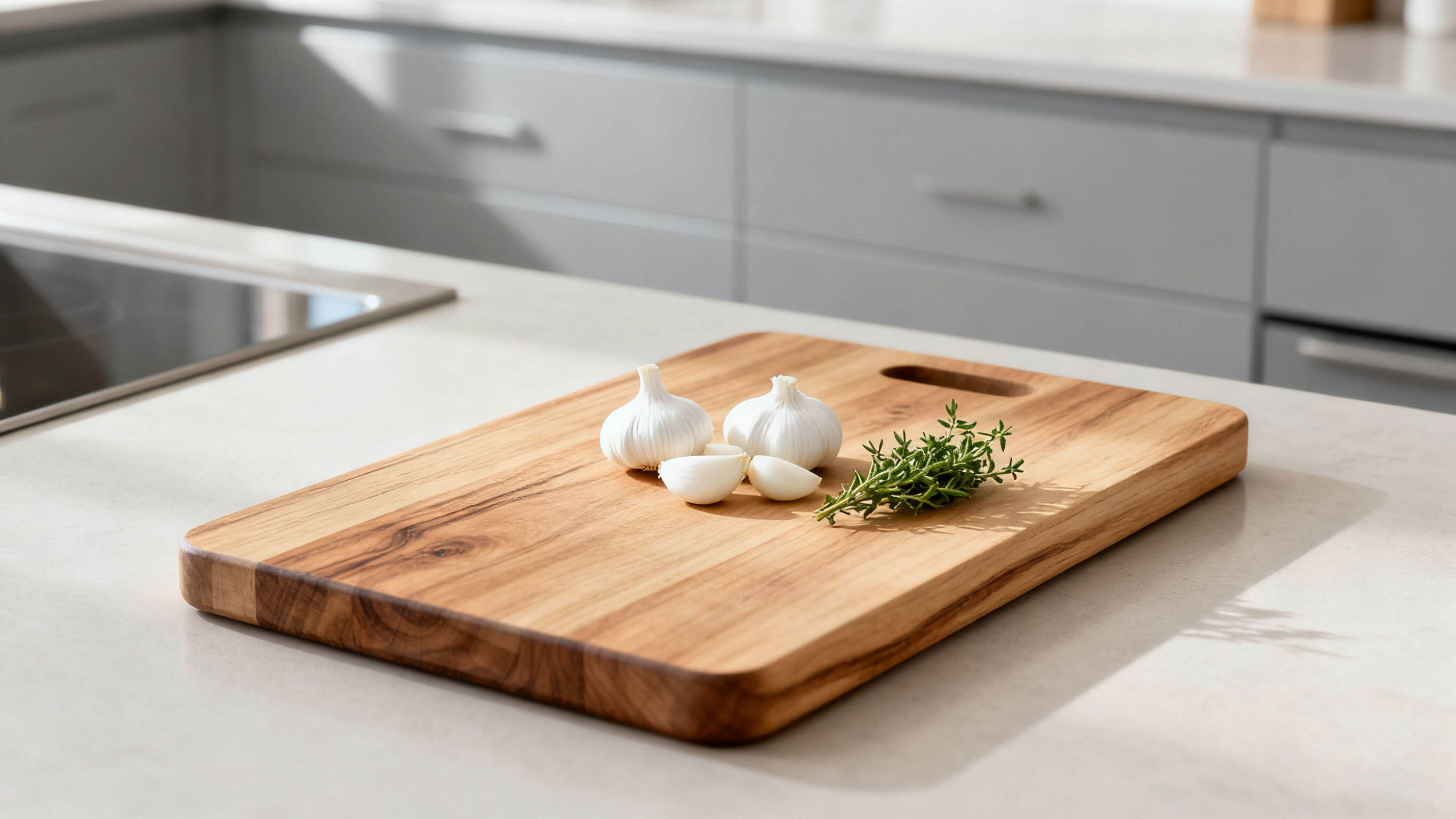
Acacia wood cutting boards are a beloved staple in kitchens worldwide, lauded for their natural durability, antimicrobial properties, and timeless aesthetic. But not all acacia wood cutting boards are created equal—factors like wood quality, construction, finish, and design all determine how long your board will stand up to daily chopping, slicing, and dicing. Whether you’re a home cook building your dream kitchen or a professional chef in need of a reliable workhorse, knowing how to pick a durable acacia wood cutting board is key to making a long-lasting investment. This guide breaks down the critical factors to consider, ensuring you select an acacia wood cutting board that combines strength, functionality, and longevity for years of kitchen use.
Inspect the Wood Quality: The Foundation of a Durable Acacia Wood Cutting Board
The first step to pick a durable acacia wood cutting board is evaluating the core wood quality, as this is the backbone of its strength. A high-quality acacia wood cutting board is crafted from solid acacia hardwood—avoid boards labeled as composite, veneer, or glued wood pieces, which are prone to splitting, warping, or delaminating under pressure or moisture. Look for an acacia wood cutting board made from kiln-dried acacia wood: kiln drying removes excess moisture from the wood, preventing warping, cracking, and mold growth over time, a common issue with air-dried boards that retain residual moisture.
When examining the wood, check for a tight, dense grain pattern—acacia wood’s natural interlocking grain is what makes it resistant to knife marks and splintering. A durable acacia wood cutting board will have a consistent grain with no visible gaps, knots, or cracks; small, tight knots are acceptable, but large or loose knots create weak points that can break with heavy use. Additionally, opt for an acacia wood cutting board made from sustainably sourced acacia wood (look for FSC or similar certifications), as responsibly harvested wood is typically milled with greater care, ensuring a higher-quality final product.
Evaluate the Construction: Seamless Design for Long-Term Durability
Construction is another non-negotiable factor when you pick a durable acacia wood cutting board, as shoddy craftsmanship will quickly compromise its performance. The most durable acacia wood cutting boards are one-piece solid construction—single slab boards have no glue, nails, or joints, eliminating the risk of separation when exposed to water or repeated use. If a one-piece acacia wood cutting board is outside your budget, look for edge-grain boards with tight, precision joinery (such as finger joints) and food-safe glue; avoid face-grain acacia wood cutting boards for heavy use, as they are softer and more prone to deep knife marks.
Pay attention to the board’s thickness, too—a durable acacia wood cutting board should be at least 1.5 inches (3.8 cm) thick. Thinner acacia wood cutting boards flex under pressure, leading to cracks and uneven chopping surfaces, while a thicker slab provides stability and absorbs the impact of knife cuts, protecting both the board and your blades. For added durability, check if the acacia wood cutting board has reinforced edges or rounded corners: rounded edges prevent chipping, and sealed edges block moisture from seeping into the wood, a major cause of warping.
Check the Finish: Food-Safe and Protective for a Durable Acacia Wood Cutting Board
The finish of an acacia wood cutting board directly impacts its durability and food safety, so this is a critical detail to verify when you pick a durable acacia wood cutting board. A high-quality acacia wood cutting board will have a food-grade, oil-based finish—such as mineral oil, beeswax, or a blend of food-safe oils and waxes. These finishes penetrate the wood to seal pores, repel moisture, and enhance the natural antimicrobial properties of acacia wood, while also making the board easy to clean and maintain.
Avoid acacia wood cutting boards with synthetic finishes, lacquers, or varnishes: these coatings chip off over time, leach into food, and create a slippery surface that’s dangerous for chopping. A properly finished acacia wood cutting board will have a smooth, matte to satin texture—if the surface feels overly shiny or sticky, it’s likely coated with an unsafe or low-quality finish. For maximum durability, look for an acacia wood cutting board that’s pre-seasoned (pre-oiled) by the manufacturer; pre-seasoned boards are ready for immediate use and have a head start on moisture resistance.
Consider Functional Design Features That Boost Durability
While wood quality and construction are paramount, functional design features can further enhance the durability of an acacia wood cutting board, making your daily kitchen use easier and protecting the board from damage. When you pick a durable acacia wood cutting board, look for non-slip feet or rubber grips on the bottom: these prevent the board from sliding on countertops during use, reducing the risk of accidental knife slips that can gouge the wood or cause injury. Non-slip feet also create airflow between the board and counter, preventing moisture buildup that leads to mold.
Another useful feature is a juice groove—a shallow channel around the edge of the acacia wood cutting board that catches meat, fruit, or vegetable juices, keeping them from spilling onto your counter. A well-designed juice groove is cut smoothly into the wood with no rough edges, and it adds functionality without compromising the board’s structural integrity. Additionally, consider the size: a durable acacia wood cutting board should be large enough for your typical chopping tasks (at least 12x18 inches for home use) to avoid overcrowding, which can lead to uneven cutting and unnecessary wear on the board.
Verify Brand Reputation and Quality Control
To ensure you pick a durable acacia wood cutting board, it’s wise to research the brand and their quality control processes. Reputable manufacturers of acacia wood cutting boards use strict milling and finishing standards, and they often back their products with a warranty or guarantee—this is a sign they stand behind the durability of their acacia wood cutting boards. Look for brands that specialize in wooden kitchenware and have positive customer reviews that highlight the longevity of their acacia wood cutting boards; avoid generic, unbranded boards, as they are often made with low-quality acacia wood and poor craftsmanship.
Additionally, check if the acacia wood cutting board meets international food safety standards (such as FDA or LFGB certification). These certifications ensure the board is free from harmful chemicals and safe for direct food contact, and they also indicate that the manufacturer follows strict quality control measures in production—an important marker of a durable, well-made acacia wood cutting board.
Final Tips to Pick a Durable Acacia Wood Cutting Board
When you narrow down your options, give the acacia wood cutting board a physical check: lift it to feel its weight (a solid acacia wood cutting board will feel substantial, not lightweight), run your hand over the surface to ensure it’s smooth with no splinters or rough spots, and tap the wood— a dull, solid sound indicates dense, high-quality acacia wood, while a hollow sound points to a weak or composite board.
Remember that even the most durable acacia wood cutting board requires basic maintenance to preserve its longevity: hand wash only with mild soap and warm water, dry immediately, and re-season with food-grade mineral oil every 4-6 weeks. With the right selection and care, your acacia wood cutting board will become a cherished kitchen tool that lasts for decades.
Picking a durable acacia wood cutting board is all about prioritizing solid wood quality, thoughtful construction, food-safe finishes, and functional design. By focusing on these key factors, you’ll select an acacia wood cutting board that resists wear and tear, protects your knives, and adds natural beauty to your kitchen—an investment that pays off in every chop, slice, and dice. With a high-quality acacia wood cutting board, you’ll have a reliable kitchen essential that stands the test of time and elevates your cooking experience.
Table of Contents
- Inspect the Wood Quality: The Foundation of a Durable Acacia Wood Cutting Board
- Evaluate the Construction: Seamless Design for Long-Term Durability
- Check the Finish: Food-Safe and Protective for a Durable Acacia Wood Cutting Board
- Consider Functional Design Features That Boost Durability
- Verify Brand Reputation and Quality Control
- Final Tips to Pick a Durable Acacia Wood Cutting Board