
 EN
EN
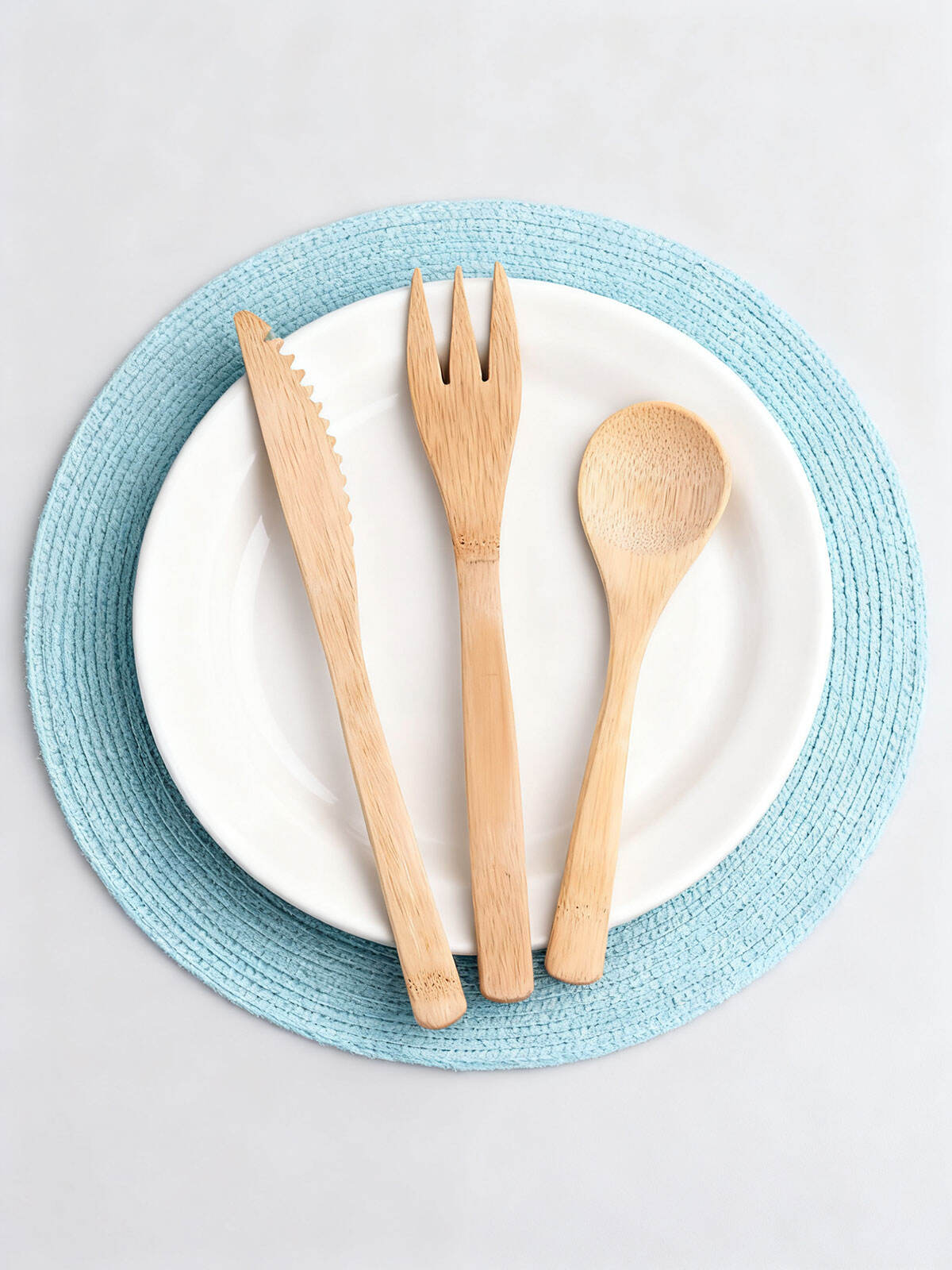
Environmental Benefits of Choosing a Bamboo Cutlery Set
Rising Demand for Sustainable Alternatives to Plastic Utensils
More people these days are looking for ways to eat sustainably, and companies have noticed too. A recent report from the European Commission found that nearly two thirds of shoppers around the world would actually spend extra money on products that don't harm the environment. Bamboo cutlery kits fit right into this trend, providing something green instead of those regular plastic forks and knives we all know so well. What makes bamboo special? Well, it grows way faster than most hardwoods – like 90 times quicker according to some farming research – and needs about a third less water during growing seasons. These facts come from studies on how different plants affect our planet. Given that we throw away roughly 400 million tons of plastic every year, switching to bamboo makes sense both for our wallets and the Earth itself. Many restaurants already make the switch because customers appreciate not having to deal with single use plastics anymore.
How Bamboo Cutlery Reduces Plastic Waste in Food Service Industries
Restaurants and cafes throw away around 36 billion plastic utensils every year, with roughly 8 out of 10 ending up in landfills instead of being recycled. Bamboo cutlery offers a real solution to this problem since it can be reused multiple times. Just one bamboo set actually replaces about 1,600 plastic utensils throughout its useful life. Some research from the UK in 2023 showed that when eateries switched to bamboo options, they saw their waste pile shrink by nearly two thirds within half a year. What makes bamboo so special compared to regular plastic? Well, plastic keeps breaking down into tiny bits called microplastics for hundreds of years. Bamboo on the other hand will completely rot away in just four to six months and actually helps improve the soil quality without leaving behind harmful chemicals.
Global Trends Toward Biodegradable and Reusable Dining Solutions
Since 2020, no fewer than 59 countries around the world have banned plastic utensils, which has definitely pushed people toward using bamboo instead. The European Union's plan to eliminate single-use plastics by 2030 seems to be working too. According to research from Grand View in 2024, sales of bamboo cutlery shot up by over 200% among EU member states. Big names in aviation and hospitality are getting on board with this trend as well. Many major airlines now serve meals with bamboo sets during flights, while hotel chains provide these eco-friendly options for guests dining in their rooms. This switch is making quite an impact actually, cutting down on plastic waste significantly. Some corporations report saving between 12 and 18 metric tons of plastic every year just from switching to bamboo tableware.
Maximizing Environmental Impact: Best Practices for Using a Bamboo Cutlery Set
- Wash manually with mild soap instead of dishwashers to prevent degradation from high heat
- Air-dry thoroughly after each use to inhibit microbial growth
- Compost responsibly through municipal facilities, as home compost piles rarely reach the 60ºC required for efficient breakdown
Proper maintenance extends a bamboo cutlery set’s usability to 3–5 years, compared to 6–12 months for plastic counterparts. A 2023 lifecycle analysis showed these practices reduce carbon emissions by 89% per meal served versus disposable options.
Bamboo vs. Plastic Utensils: A Lifecycle Sustainability Comparison
Environmental Impact from Production to Disposal
When it comes to cutlery sets made from bamboo, the story starts long before they hit our tables. Growing bamboo needs about 90 percent less water than making plastic stuff does, plus no need for those chemical pesticides we all know are bad news. Plastic manufacturing tells a different tale altogether. It depends on digging up fossil fuels and pumps out around 3.7 kilograms of carbon dioxide for every kilogram of plastic produced according to some research from Ponemon back in 2023. Meanwhile, bamboo just keeps growing at this amazing pace of three feet a day, basically taking care of itself without needing replanting after harvest. What happens when these items reach the end of their useful life? Well, bamboo will break down naturally within four to six months. But plastic utensils? They stick around for over five hundred years, slowly releasing tiny plastic particles into our environment. Take a look at recent beach cleanups. The numbers tell a pretty clear story: in 2022 audits showed that nearly 82 percent of trash found on beaches was made up of single use plastic cutlery, whereas bamboo alternatives accounted for barely 0.3 percent of what washes ashore.
Life Cycle Assessment (LCA): Bamboo Cutlery vs. Single-Use Plastics
When it comes to cutlery sets made from bamboo, the story starts long before they hit our tables. Growing bamboo needs about 90 percent less water than making plastic stuff does, plus no need for those chemical pesticides we all know are bad news. Plastic manufacturing tells a different tale altogether. It depends on digging up fossil fuels and pumps out around 3.7 kilograms of carbon dioxide for every kilogram of plastic produced according to some research from Ponemon back in 2023. Meanwhile, bamboo just keeps growing at this amazing pace of three feet a day, basically taking care of itself without needing replanting after harvest. What happens when these items reach the end of their useful life? Well, bamboo will break down naturally within four to six months. But plastic utensils? They stick around for over five hundred years, slowly releasing tiny plastic particles into our environment. Take a look at recent beach cleanups. The numbers tell a pretty clear story: in 2022 audits showed that nearly 82 percent of trash found on beaches was made up of single use plastic cutlery, whereas bamboo alternatives accounted for barely 0.3 percent of what washes ashore.
Life Cycle Assessment (LCA): Bamboo Cutlery vs. Single-Use Plastic Utensils
Studies indicate that bamboo cutlery is the more sustainable choice from production to disposal, emitting significantly less CO2 compared to plastic. Specifically, plastic cutlery production releases 3.7 kilograms of carbon dioxide for each kilogram produced, solely from fossil fuels, while bamboo sequesters carbon during its life cycle and decomposes quickly, leaving no harmful traces.
Controversy: Are Some Bamboo Cutlery Products Truly Eco-Friendly?
Not all 'bamboo' cutlery products are created equal. There is a growing concern over some bamboo utensils that are a mix of materials, which can impede the sustainable lifecycle benefits initially associated with pure bamboo. These mixed-material products often require industrial composting facilities to break down completely. Although these versions might be more durable, the environmental trade-off is a notable increase in microplastic generation.
Steps Toward Better Sustainability in Cutlery Choices
- Choose certified pure bamboo products from reputable sources
- Engage with local recycling initiatives that can manage biodegradable materials
- Educate your patrons about the environmental and health benefits of bamboo over plastic options
- Support companies that are transparent about their materials and processes
As more consumers and companies make conscious choices to embrace sustainable options in their daily lives, bamboo cutlery stands out as a clear front runner. Its many environmental benefits from production efficiency, quick decomposition rates, and positive impact on soil and carbon sequestration position it as a viable long-term solution compared to single-use plastics.
FAQs
Why is bamboo cutlery considered more eco-friendly than plastic cutlery?
Bamboo is a sustainable material that grows quickly, requires less water, and decomposes naturally, leaving no harmful chemicals behind. In contrast, plastic cutlery takes hundreds of years to decompose and releases microplastics into the environment.
How long does bamboo cutlery last before it needs to be replaced?
A well-maintained bamboo cutlery set can last for 3 to 5 years, which is significantly longer than the 6 to 12 months lifespan of typical plastic utensils.
What are the environmental benefits of bamboo cutlery over plastic?
Bamboo cutlery consumes significantly less water during production and reduces carbon emissions by approximately 89% per meal served compared to disposable options. Additionally, bamboo decomposes completely within four to six months, enhancing soil quality, unlike plastics that take over 500 years to break down and release microplastics.
How should I care for my bamboo cutlery set?
For optimal longevity and sustainability, wash bamboo cutlery manually with mild soap, air dry it thoroughly after each use, and compost it through municipal facilities when it reaches the end of its lifecycle.
Why choose bamboo cutlery over plastic utensils?
Choosing bamboo over plastic utensils contributes to environmental conservation by reducing plastic waste in landfills and oceans, saving resources like water and fossil fuels, and promoting carbon sequestration and soil health improvement due to its natural decomposition.
Table of Contents
- Environmental Benefits of Choosing a Bamboo Cutlery Set
-
Bamboo vs. Plastic Utensils: A Lifecycle Sustainability Comparison
- Environmental Impact from Production to Disposal
- Life Cycle Assessment (LCA): Bamboo Cutlery vs. Single-Use Plastics
- Life Cycle Assessment (LCA): Bamboo Cutlery vs. Single-Use Plastic Utensils
- Controversy: Are Some Bamboo Cutlery Products Truly Eco-Friendly?
- Steps Toward Better Sustainability in Cutlery Choices
-
FAQs
- Why is bamboo cutlery considered more eco-friendly than plastic cutlery?
- How long does bamboo cutlery last before it needs to be replaced?
- What are the environmental benefits of bamboo cutlery over plastic?
- How should I care for my bamboo cutlery set?
- Why choose bamboo cutlery over plastic utensils?