
 EN
EN
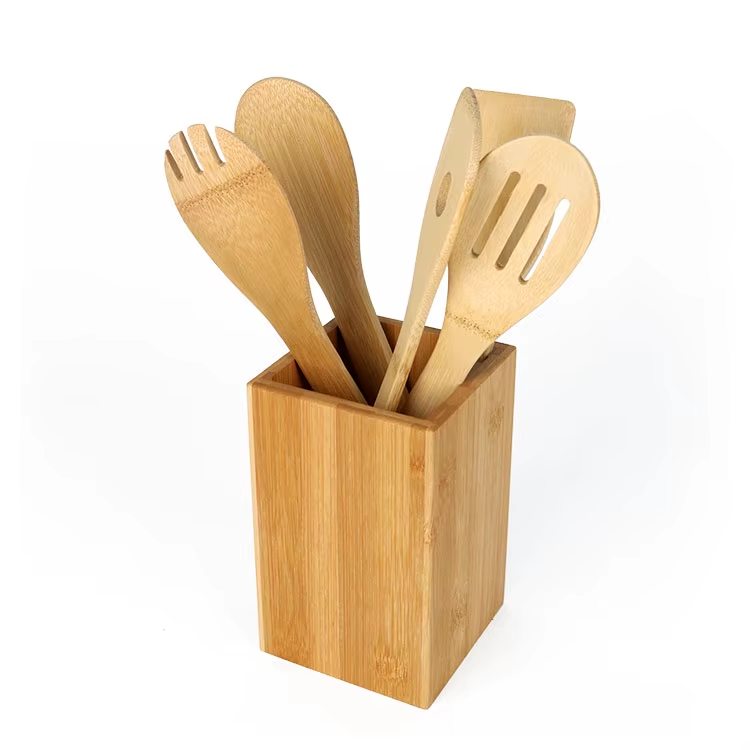
Why Natural Black Walnut Wood Is the Premium Choice for Kitchen Utensil Sets
Density, Grain Stability, and Natural Antimicrobial Properties of Black Walnut
What makes black walnut truly special is its tightly packed grain pattern that resists warping when exposed to changes in temperature and moisture levels. The wood maintains its shape and functionality even after countless trips through the dishwasher or extended periods of water contact. Another big plus? Natural antimicrobial properties found in the wood itself, especially something called juglone that stops bacteria from growing on surfaces. Research published in reputable journals shows walnut can cut down on germs by almost all within just a few hours, and this happens naturally without needing any harsh chemicals. Plastic and bamboo just don't offer this kind of built-in cleanliness factor. Plus, the dark, rich color of black walnut hides everyday stains pretty well while adding a touch of understated elegance to any kitchen space.
Comparative Durability: Walnut vs. Bamboo, Maple, and Cherry Wood
When it comes to how long different woods last as utensils, there's quite a range out there, and black walnut tends to come out on top most of the time. Bamboo grows quickly sure enough, but technically speaking it's actually a type of grass. The problem is that bamboo has uneven density throughout, so it tends to splinter pretty easily and doesn't have those natural defenses against microbes that other woods might. Maple handles surface scratches well, but because it's so light colored, it picks up stains all over the place and needs constant oiling to keep looking good. Cherry wood? Well, it’s just not as tough. It gets dented from regular use and starts warping when exposed to moisture or humidity for too long. Black walnut stands apart though. With a Janka rating around 1,010 pounds per square inch, this wood can take impacts without making knives dull, yet still maintains its shape thanks to solid density and strong grain patterns. What's really nice about walnut is that instead of deteriorating over years of use, it actually gains character through developing a richer color and texture. That means less maintenance overall compared to other options.
What Makes a Set Truly 'Natural' — Sourcing, Finishing, and Certification Standards
FDA-Compliant Mineral Oil Finishes vs. Synthetic Coatings
When talking about genuinely natural utensil sets, what really matters is using finishes safe enough to touch food directly - specifically mineral oil that meets FDA standards. Synthetic options like polyurethane or lacquer coatings tend to hide all sorts of petrochemical ingredients behind vague labels. Mineral oil works differently because it actually soaks into the wood itself, creating a barrier that stops moisture from getting absorbed and keeps bacteria at bay. The best part? It doesn't crack, peel off, or release anything even when exposed to high heat, which makes all the difference for kitchen safety. Watch out for marketing terms like "natural finish" since these aren't regulated properly and often cover up artificial additives. True transparency comes down to checking actual compliance documentation instead of trusting buzzwords alone.
FSC-Certified Sourcing and Precision Kiln-Drying to Prevent Warping
The real deal starts where it all begins. When wood gets FSC certified, we know it came from forests managed properly throughout the whole journey from tree cutting right down to what ends up on our tables. Moisture matters too. Our walnut goes through careful kiln drying until it hits around 8 to 10 percent moisture level. That cuts down on warping and shrinking problems to under half a percent compared to regular air dried stuff which can be anywhere between 3 to 5 percent unstable. And let's not forget those edges. We finish them by hand so there are no rough spots left behind from machines. All these steps together make utensils that won't crack easily, stay true to shape over time, and feel good in hands year after year without breaking down.
Ergonomic Design and Functional Excellence in Natural Black Walnut Utensil Sets
Balanced Weight Distribution and Tapered Handles for Fatigue-Free Cooking
The density of black walnut at around 630 kg per cubic meter gives these tools just the right weight for cooking. They’re heavy enough to stay put when stirring or flipping ingredients, but not so heavy they'll tire your hands after a while. Most of the weight is concentrated near the part we actually use, which means our wrists don't get as sore during long cooking sessions like making sauces or working with dense batter mixtures. The handles are shaped in a way that fits comfortably in most people’s hands, following those natural curves without creating hotspots that hurt after repeated use. Walnut wood doesn't warp much over time either, so what feels good today will still feel great months later. Cheaper wooden utensils tend to twist and bend eventually, making them uncomfortable to hold. When looking at different sets, pay attention to how the handle connects to the main part of the tool. A good connection should feel smooth and continuous instead of having an awkward seam that catches on things when we need to scrape bowls clean or fold delicate mixtures gently.
How to Verify Authenticity Before Buying Natural Black Walnut Wood Kitchen Utensil Sets for Sale
When looking at black walnut utensils, don't just take what marketers say at face value. Start by checking out the wood grain in good daylight. Real walnut has those beautiful, uneven patterns that flow like chocolate brown rivers with hints of purple or gray running through them. The texture should feel uniform throughout each piece too. Next thing to check is the finish. Good quality walnut will be treated with nothing but mineral oil approved by the FDA or beeswax that's safe for food contact. Watch out for any shiny, plastic-looking coatings that feel artificial. Ask to see paperwork proving the wood comes from certified sustainable sources (FSC) and check if they can show records of proper kiln drying where moisture stays under 8%. Quality manufacturers won't hide these details but actually display them proudly. And remember, real walnut isn’t perfect. Look for natural marks like mineral streaks, small color differences, or tiny changes in grain direction. If everything looks too flawless, chances are it’s not walnut at all but something else dyed to look like it. Stick with sellers who give complete information about where their materials come from and back up their claims with actual documents.
Frequently Asked Questions
What makes black walnut wood a popular choice for kitchen utensils?
Black walnut wood is popular due to its density, grain stability, natural antimicrobial properties, and resistance to warping. Its rich color also adds elegance to any kitchen.
Is black walnut wood more durable than other woods?
Yes, black walnut is often more durable than bamboo, maple, and cherry wood due to its high Janka rating and resistance to splintering and warping.
What type of finish should black walnut utensil sets have?
They should have a finish of FDA-compliant mineral oil or beeswax, which are safe for food contact. Avoid synthetic coatings as they may contain harmful petrochemicals.
How can I ensure the authenticity of a black walnut utensil set?
Verify the wood grain, finish, and certifications like FSC. Request documentation such as kiln drying records and sourcing information to ensure authenticity and sustainability.
Table of Contents
- Why Natural Black Walnut Wood Is the Premium Choice for Kitchen Utensil Sets
- What Makes a Set Truly 'Natural' — Sourcing, Finishing, and Certification Standards
- Ergonomic Design and Functional Excellence in Natural Black Walnut Utensil Sets
- How to Verify Authenticity Before Buying Natural Black Walnut Wood Kitchen Utensil Sets for Sale
- Frequently Asked Questions