
 EN
EN
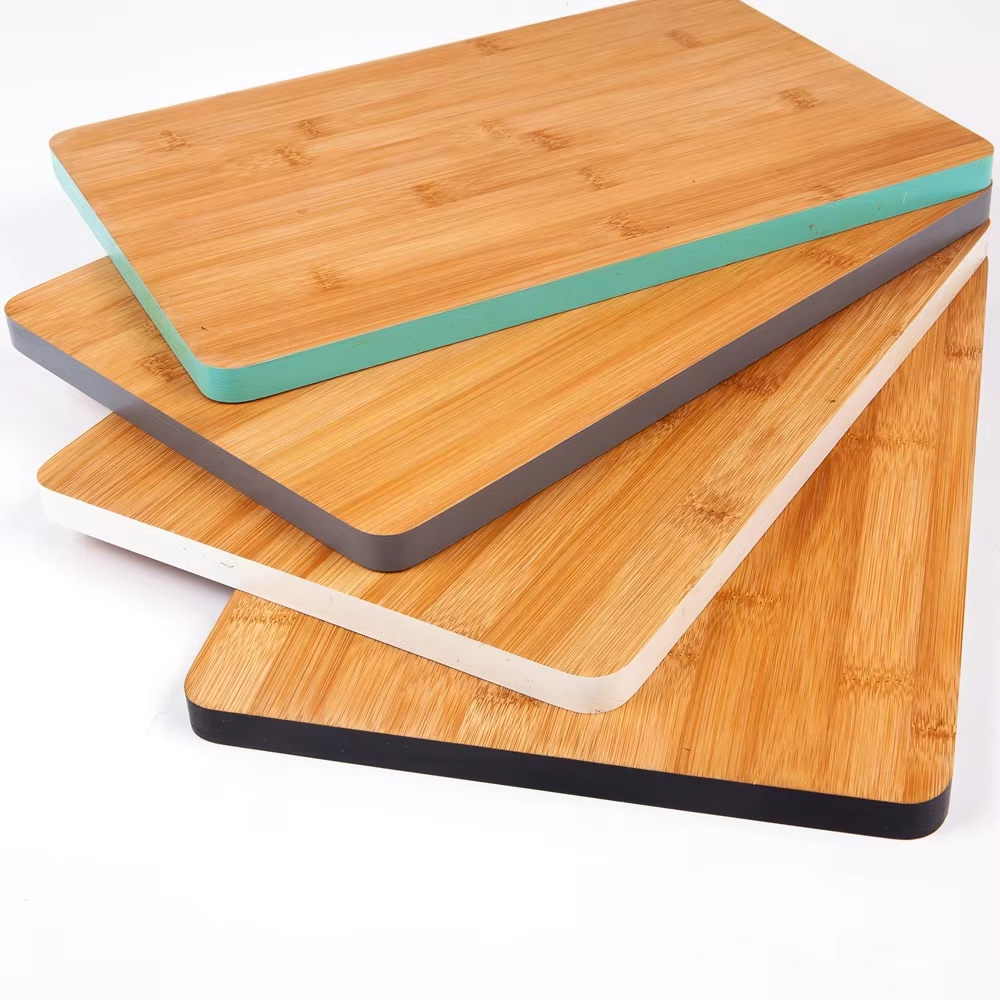
Why Bamboo? Material Benefits and Sustainability Credentials
Natural Density and Low Porosity: How Bamboo Resists Scratches, Stains, and Knife Marks
The dense, silica packed cells inside bamboo give it a pretty impressive Janka hardness score around 1380 pounds per square inch, which is about 15 percent harder than regular maple wood. That makes bamboo really tough against those annoying knife marks, deep scratches, and stains that tend to ruin surfaces. Bamboo also has naturally low porosity so it just doesn't soak up moisture as much, and this quality helps stop bacteria from growing on kitchen surfaces where food gets prepared. When compared to other materials like porous woods or plastic, bamboo's tight grain doesn't hold onto food bits after cutting, making cleaning easier and keeping things looking better for longer periods. Tests done by independent labs found that bamboo cutting boards actually help keep knives sharper for approximately 20% more time compared to softer woods, plus they don't show signs of wear as quickly either.
Eco-Friendliness Verified: FSC Certification, Rapid Renewability, and Responsible Harvesting
Bamboo reaches maturity in only 3 to 5 years, way quicker than hardwood species such as oak or teak that need several decades to grow. This makes bamboo among the fastest renewing materials we have access to today. Responsibly managed bamboo fields regenerate naturally through their rhizome roots after harvesting, so there's no need for replanting. These fields also help stop soil erosion and capture around 12 tons of carbon each year per hectare, plus they produce roughly 35 percent more oxygen compared to similar areas covered by trees. When shopping for products, check if they carry FSC certification. This label means the bamboo was grown using methods that avoid harmful chemicals and protect local ecosystems. Think about how plastic items break down over time too. Regular plastics release tiny particles called microplastics and can take almost half a millennium to disappear completely. Certified bamboo products on the other hand will decompose naturally within about two years without leaving any harmful residues behind.
Food-Safe Construction: Glue Integrity and Antimicrobial Performance
Formaldehyde-Free Adhesives: Identifying Certified Food-Grade Lamination in Bamboo Cutting Boards
When it comes to bamboo cutting boards, their safety really depends on how well the glue holds together. Many traditional glues used for laminating actually contain formaldehyde, which we know can cause breathing problems for people working around it all day long according to research from Indoor Air Journal back in 2021. If folks want something safe for kitchen use, they should look for boards that clearly say they're free of formaldehyde and have those official stamps of approval like FDA 21 CFR Part 175.105 or the EU's Regulation No. 10/2011. Boards with these certifications mean manufacturers used safer glues that won't break down easily when exposed to heat or heavy chopping. And don't forget about third party testing either. The glue needs to stick through years of knife strikes and temperature changes without letting any harmful chemicals seep into whatever gets chopped on there next.
Antibacterial Reality Check: Bamboo’s Natural Compounds vs. Real-World Hygiene Best Practices
Bamboo contains a natural substance called bamboo kun that fights germs. Studies from University of Maryland back in 2019 found it can cut down bacteria growth on surfaces by around 30 to 40 percent when compared to regular plastic. But there's a catch. The antibacterial properties start to fade after repeated knife cuts, long contact with acidic foods like citrus or tomatoes, and if not cleaned properly. Nobody should think this makes up for good old fashioned cleaning practices though. Regular sanitizing remains essential no matter what surface we're talking about.
- Clean immediately after use with hot soapy water
- Disinfect weekly with a diluted vinegar solution (1:4 ratio)
- Avoid soaking–this can cause swelling, delamination, and pathogen entrapment
- Never allow raw meat residues to sit longer than 15 minutes
Surface grooves, even on bamboo, harbor bacteria if not properly maintained. Think of bamboo’s antimicrobial trait as a helpful supplement–not a primary defense–against cross-contamination.
Structural Quality: Grain Orientation, Lamination, and Warping Resistance
End-Grain, Edge-Grain, and Face-Grain Explained: Impact on Knife Longevity and Stability
Bamboo cutting boards are constructed using three grain orientations, each affecting durability, knife care, and dimensional stability:
- End-grain: Fibers stand vertically, creating a self-healing surface that absorbs blade impact with minimal friction–best for preserving knife edges.
- Edge-grain: Fibers run horizontally in cross-laminated layers, offering excellent warping resistance and balanced durability–ideal for everyday household use.
- Face-grain (flat-grain): Fibers lie parallel to the surface, making boards more susceptible to deep scarring and accelerated blade dulling.
Lamination quality is critical: formaldehyde-free adhesives and precise layer bonding prevent delamination when exposed to moisture or thermal stress. While end-grain maximizes knife longevity, edge-grain delivers the optimal combination of warp resistance, structural integrity, and practical usability.
Practical Usability: Size, Weight, and Fit for Your Home Kitchen
Finding the ideal bamboo cutting board really comes down to striking the right balance between looks and practicality. There are a few key things worth considering when making this choice. First up is size. If someone does a lot of meal prep work, going for something bigger like around 18 by 12 inches makes sense for all that chopping and slicing. Smaller boards, maybe 12 by 8 inches or so, work great for quick jobs like mincing herbs or slicing small veggies. Thickness is another important factor. Boards that are at least an inch and a half thick tend to stay flat over time and provide better stability when working with sharp knives. The weight aspect affects how comfortable it feels too. Lighter boards under three pounds are easy to move around but might need rubber pads to keep them from sliding across the counter. Heavier ones sit nicely in place but can get tiring after prolonged use, especially if someone spends hours prepping meals each day.
Before purchasing, measure your counter space and cabinet depth. Consider these integrations:
- Vertical storage slots for narrow cabinets
- Non-slip silicone feet to stabilize lightweight designs
- Pull-out drawer compatibility for boards over 16" long
Beveled edges protect countertops; rounded corners improve safety and handling. If space is limited, edge-grain boards provide superior versatility without demanding deeper storage–unlike bulkier end-grain versions.
Low-Maintenance Care: Cleaning, Conditioning, and Storage for Longevity
Non-Toxic Cleaning & Natural Conditioning: Vinegar, Food-Grade Mineral Oil, and Beeswax Finishes
Bamboo’s longevity depends on consistent, non-toxic care that supports its natural resilience:
- Cleaning: Wipe the surface with a cloth dampened in diluted vinegar (1 part vinegar to 4 parts water) after each use. This neutralizes odors and combats bacteria without harsh chemicals. Always air-dry vertically–never lay flat or stack wet boards.
- Conditioning: Apply food-grade mineral oil once per month. Rub a thin, even coat across the entire surface–including edges–and let it absorb overnight. This replenishes lost moisture, prevents cracking, and sustains natural water resistance.
- Sealing: Reapply a beeswax finish annually. Melted beeswax forms a breathable, water-repellent barrier that enhances stain resistance and surface durability. Buff off excess once cooled.
Store upright in a cool, dry area–away from sinks, dishwashers, and direct heat sources. With this simple routine, your bamboo board remains hygienic, structurally sound, and ready for daily use.
FAQ
Why should I choose bamboo cutting boards over other materials?
Bamboo cutting boards offer increased durability due to their dense structure, resistance to scratches, stains, and knife marks, and are more eco-friendly due to rapid renewability.
How can I ensure my bamboo cutting board is food-safe?
Look for boards that specifically state they're free of formaldehyde and have certifications like FDA 21 CFR Part 175.105 or the EU's Regulation No. 10/2011.
Do bamboo cutting boards harbor bacteria?
While bamboo has antibacterial properties due to bamboo kun, proper cleaning practices are essential to prevent bacteria buildup.
What maintenance is required for bamboo cutting boards?
Regular cleaning with diluted vinegar solutions, monthly conditioning with food-grade mineral oil, and annual beeswax sealing help maintain the board's integrity and hygiene.
Table of Contents
- Why Bamboo? Material Benefits and Sustainability Credentials
- Food-Safe Construction: Glue Integrity and Antimicrobial Performance
- Structural Quality: Grain Orientation, Lamination, and Warping Resistance
- Practical Usability: Size, Weight, and Fit for Your Home Kitchen
- Low-Maintenance Care: Cleaning, Conditioning, and Storage for Longevity
- FAQ