
 EN
EN
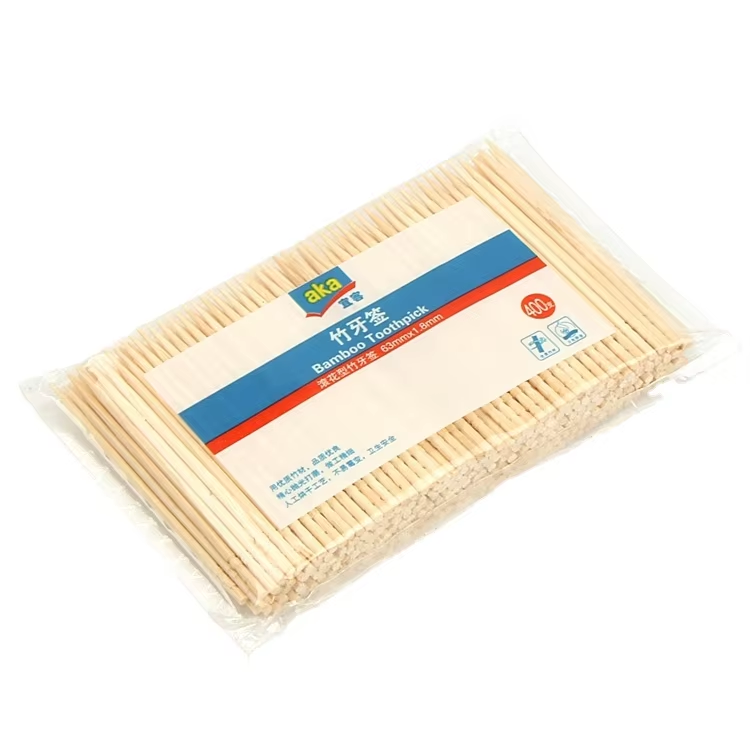
Why Hygienic Bamboo Toothpick Certification Matters for Safety and Trust
FDA and LFGB Compliance: Non-Negotiable Standards for Oral Contact Safety
When bamboo toothpicks come into contact with human mucous membranes, getting FDA and LFGB certifications becomes pretty much mandatory for safety reasons. The testing these standards require looks specifically at whether any toxins might leach out over time, so we know nothing bad ends up in someone's mouth while they're using them. Products that don't meet these requirements could actually release dangerous stuff like formaldehyde, which the World Health Organization has connected to problems with oral tissues. For businesses selling in larger quantities, working with certified suppliers makes sense because it cuts down on potential legal trouble. A recent survey found that around three quarters of people buying supplies for restaurants care deeply about third party validation when making big purchases, according to Food Safety Magazine last year.
FSC Certification: Verifying Sustainable Sourcing Without Compromising Hygiene Integrity
The Forest Stewardship Council (FSC) certification means bamboo comes from forests that regenerate properly without compromising on cleanliness standards. Good quality manufacturers combine their FSC checks with ISO 22000 food safety rules, showing how being green doesn't mean ignoring germs. What really matters here are things like knowing exactly where the bamboo came from and making sure it was grown without pesticides, plus using steam to kill off any nasties during production. Also important is keeping out any recycled materials in what ends up as the finished product. According to recent research from Green Procurement Report 2024, around two thirds of businesses looking for environmentally friendly products want proof of both green practices and proper safety measures before they buy anything.
How to Source Reliable Bamboo Toothpick Suppliers (B2B Focus)
Wholesale Platforms vs. Direct Factory Partnerships: Evaluating MOQs, Lead Times, and Audit Readiness
When it comes to sourcing products, B2B buyers face tough choices between wholesale marketplaces and going straight to manufacturers. On one hand, wholesale platforms let companies order smaller amounts, usually around 1,000 pieces minimum, and get their goods much quicker since they already have stock ready to ship within 1 to 2 weeks. But there's a catch here too. These platforms often don't provide clear information about how things are made, making it hard when auditors come knocking. Factory partnerships tell a different story though. They demand bigger orders, typically over 10,000 units, and take longer to produce, somewhere between 4 and 8 weeks. However, what factories give back in cost savings is pretty substantial, cutting down individual item prices by roughly 20 to 30 percent. Plus, everything needed for compliance checks is right there waiting, from proper certification papers to complete production logs. For businesses worried about regulations or environmental standards, this transparency means factory partners can handle FDA inspections or green certification requests almost instantly, which makes all the difference when avoiding potential headaches down the road.
| Factor | Wholesale Platforms | Direct Factory Partnerships |
|---|---|---|
| MOQ | Lower (1,000+ units) | Higher (10,000+ units) |
| Lead Time | 1–2 weeks | 4–8 weeks |
| Cost Efficiency | Moderate | High |
| Audit Support | Limited documentation access | Full production traceability |
Prioritize the model aligning with your volume consistency and compliance requirements.
Red Flags in Supplier Listings: Spotting Rebranded Imports or Non-Compliant Stock
Identify unreliable bamboo toothpick suppliers by watching for these critical red flags:
- Vague manufacturing origins: Phrases like “designed domestically” without clear disclosure of overseas production suggest rebranded imports
- Unverifiable certifications: Missing FDA/LFGB certificate numbers—or refusal to share third-party lab reports—indicate non-compliant stock
- Stock photo reliance: Listings lacking real product images often conceal substandard quality
- Pricing anomalies: Quotes 40% below market averages frequently reflect compromised material safety or hidden fees
Always request third-party lab reports and physical samples before finalizing contracts. Cross-check documentation against official regulatory databases to prevent supply chain disruptions.
Bamboo Toothpick Hygiene in Practice: Restaurant vs. Home Use Requirements
Moisture, Mold, and Degradation: Managing Bamboo Toothpick Risks in High-Humidity Commercial Kitchens
Bamboo toothpicks face real problems in commercial kitchens where moisture is everywhere. When humidity gets above 60%, which happens all the time around dishwashing areas, untreated bamboo starts growing mold on the surface within just two days according to research published last year in Food Safety Journal. To keep things safe, restaurant managers should consider these proven methods first. Store those toothpicks inside NSF certified sealed containers but make sure they're placed away from steam generators at least six inches apart. After sterilizing them, run a quick 15 minute drying session in an oven set to 140 degrees Fahrenheit or 60 Celsius. And don't forget about inventory management either. Rotate stock using the First In First Out method so nothing sits around past its prime since bamboo toothpicks really only last about four months before quality drops off significantly.
Home Use Best Practices: Packaging (Individually Wrapped vs. Bulk), Shelf Life, and Portion Hygiene
How something is packaged really affects how likely it is to get contaminated at home. Studies show that single wrapped bamboo toothpicks cut down on bacteria spreading by about three quarters compared to those sold in big bags (this was found in the Journal of Applied Microbiology back in 2023). The bulk ones still work pretty well if kept properly though. Just put them in dispensers that block out UV light, don't require touching, and have tight seals. And don't stockpile for more than three months either way. Most people find these items last between six and eight months on the shelf when stored somewhere dry, say below 50% humidity. But watch out for bathrooms! Moisture levels there tend to be around 20% higher than what we typically see in kitchens, which makes everything break down much faster.
FAQ Section
What certifications should bamboo toothpicks have?
Bamboo toothpicks should have FDA and LFGB certifications for safety purposes, as these ensure the products are free from toxins like formaldehyde.
Why is FSC certification important?
FSC certification helps verify that bamboo is sourced sustainably while maintaining hygiene integrity. It also ensures that the bamboo is grown without pesticides.
What factors should I consider when choosing a bamboo toothpick supplier?
Consider factors such as minimum order quantities (MOQs), lead times, cost efficiency, and audit support. Evaluate whether wholesale platforms or direct factory partnerships better meet your needs.
How can I spot unreliable bamboo toothpick suppliers?
Look for red flags such as vague manufacturing origins, unverifiable certifications, stock photo reliance, and pricing anomalies. Ensure documentation is thoroughly checked.
How should bamboo toothpicks be stored in commercial kitchens?
Store bamboo toothpicks in NSF certified sealed containers away from moisture, and follow inventory management practices to maintain quality.